

The 2026 Hyundai Elantra near Lexington, GA
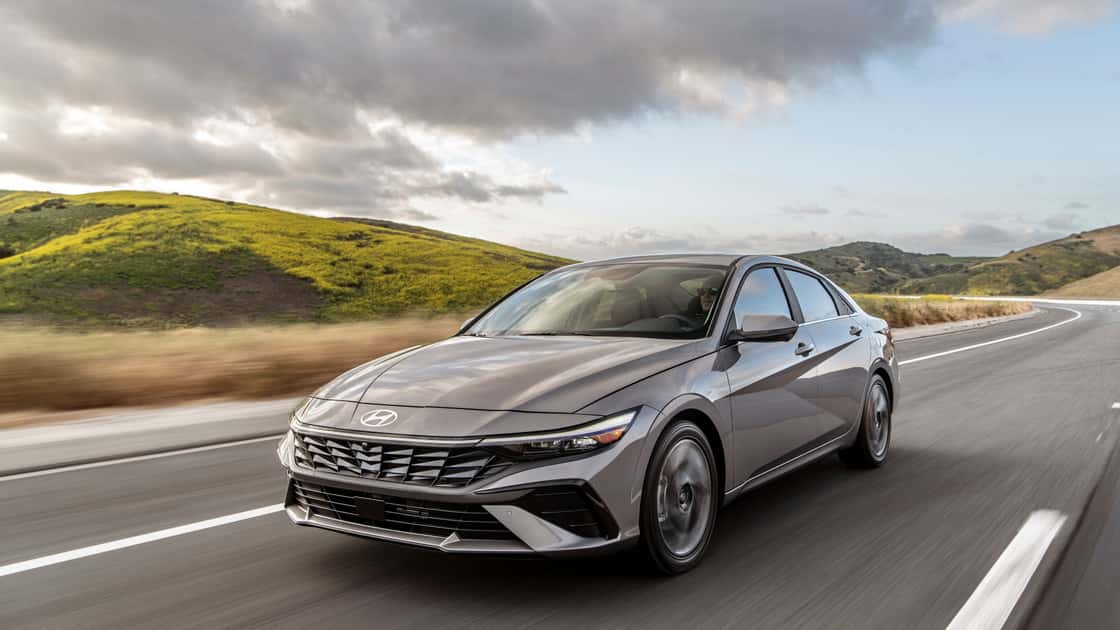
The 2026 Hyundai Elantra is a compact sedan available with multiple powertrain configurations, including conventional gasoline, hybrid, turbocharged, and high-performance variants. The model combines front-wheel-drive architecture with a broad range of transmission options, suspension designs, safety technologies, and interior equipment packages. Across the lineup, Hyundai offers configurations focused on efficiency, everyday usability, sport-oriented driving characteristics, and performance-focused engineering. The 2026 Hyundai Elantra also incorporates advanced driver-assistance systems, connected technology features, and a carefully structured chassis that supports a wide range of trim levels and driving preferences.
Powertrain and Engine Lineup
The 2026 Hyundai Elantra offers several distinct engine options that serve different functional purposes within the lineup. Standard gasoline-powered models utilize a 2.0-liter MPI Atkinson-cycle DOHC 16-valve inline four-cylinder engine with 1,999 cc of displacement. This engine features an aluminum block and aluminum cylinder head along with Dual Continuously Variable Valve Timing. Output is rated at 147 horsepower at 6,200 rpm and 132 lb-ft of torque at 4,500 rpm. The engine uses an 81 mm bore and 97 mm stroke configuration and operates with a 12.5:1 compression ratio. Hyundai also equips this powertrain with a two-step Variable Induction System and Variable Charge Motion technology to support combustion efficiency and drivability.
Hybrid Powertrain System
Hybrid variants of the 2026 Hyundai Elantra use a 1.6-liter GDI Atkinson-cycle DOHC 16-valve inline four-cylinder engine with 1,580 cc of displacement. The gasoline engine produces 104 horsepower at 5,700 rpm and 109 lb-ft of torque at 4,000 rpm. Hyundai pairs this engine with an interior permanent magnet synchronous electric motor rated at 32 kW, equivalent to 43 horsepower. The electric motor generates 125 lb-ft of torque and operates through a lithium-ion battery system. Battery specifications include a 240-volt operating system and 1.32 kWh of battery capacity. Combined system output is rated at 139 horsepower and 195 lb-ft of torque, providing integrated gasoline and electric propulsion.
Turbocharged Performance Engines
The Elantra N Line utilizes a 1.6-liter Turbo GDI DOHC 16-valve CVVD inline four-cylinder engine with 1,598 cc of displacement. This powerplant generates 201 horsepower at 6,000 rpm and 195 lb-ft of torque from 1,500 to 4,500 rpm. The engine uses an aluminum block and head, a 10.0:1 compression ratio, and a 75.6 mm by 89.0 mm bore and stroke arrangement. The Elantra N serves as the highest-performance model in the lineup and features a 2.0-liter turbocharged direct-injection Flat Power four-cylinder engine. Output is rated at 276 horsepower between 5,500 and 6,000 rpm and 289 lb-ft of torque from 2,100 to 4,700 rpm. The engine displaces 1,998 cc, uses an 86 mm by 86 mm bore and stroke configuration, and is specified for premium fuel.
Transmission and Driveline Systems
The 2026 Hyundai Elantra uses a front-wheel-drive layout throughout the model range. Different powertrains are paired with transmissions designed to complement their intended operating characteristics and performance goals. Hyundai offers several transmission technologies that contribute to the diverse nature of the lineup while maintaining consistent front-wheel-drive architecture.
Intelligent Variable and Dual-Clutch Transmissions
Gasoline-powered SE, SEL Sport, SEL Sport Premium, and Limited models use the Smartstream® Intelligent Variable Transmission from Hyundai. This transmission is designed to work with the 2.0-liter Atkinson-cycle engine and provides continuously variable operation. Hybrid models utilize a 6-speed EcoShift® dual-clutch transmission that integrates operation of the gasoline engine and electric motor. N Line models are available with either a 6-speed manual transmission or a 7-speed dry dual-clutch transmission. The N performance model uses an N 8-speed wet dual-clutch transmission designed specifically for the higher-output turbocharged powertrain.
Drive Mode Functionality
Drive Mode Select is available across automatic and dual-clutch-equipped models. Standard configurations include Normal, Sport, and Smart drive modes that allow adjustments to vehicle operating characteristics. The Elantra N expands functionality with Eco, Normal, Sport, and N Custom 1 and N Custom 2 modes. These selectable settings provide additional flexibility for adapting vehicle responses to different driving conditions and driver preferences. Paddle shifters are included on dual-clutch-equipped applications where specified.
Chassis, Steering, and Suspension
The 2026 Hyundai Elantra is built on a unibody platform that uses high-tensile steel as its primary structural material. This construction method supports rigidity while providing a consistent foundation across the model range. Steering, suspension, and chassis components vary according to trim level and performance orientation. These variations allow Hyundai to tailor handling characteristics for specific models without changing the underlying vehicle architecture.
Steering Systems
Rack-and-pinion steering is standard across the lineup. Most 2026 Hyundai Elantra models use Column-Mounted Motor Driven Power Steering, while the Elantra N utilizes Rack-Mounted Motor Driven Power Steering. Standard models feature a 12.9:1 steering gear ratio and 2.5 turns lock-to-lock. The Elantra N uses a 12.2:1 steering ratio and requires 2.2 turns lock-to-lock. Steering wheel diameter is listed at 14.6 inches, while minimum turning radius ranges from 17.7 feet on most models to 19.2 feet on the N.
Suspension Design
Front suspension architecture consists of MacPherson® struts across all variants. Standard models use a 22 mm hollow stabilizer bar paired with hydraulic twin-tube shock absorbers. Additional trims utilize a 23 mm front stabilizer bar. Rear suspension design differs depending on configuration. Some models use a coupled torsion beam axle, while others utilize a multi-link independent rear suspension system. The Elantra N adds Electronic Controlled Suspension technology, providing a more specialized chassis configuration within the lineup.
Performance Chassis Features
The Elantra N incorporates several chassis upgrades that distinguish it from other versions of the sedan. These include a rear chassis brace and an electronically controlled limited-slip differential identified as the N Corner Carving Differential. These systems work alongside the N-specific suspension and steering hardware to create a dedicated performance-focused configuration. The result is a more specialized chassis package that aligns with the increased output of the turbocharged engine.
Braking Systems
The 2026 Hyundai Elantra uses four-wheel disc brakes throughout the lineup. Ventilated front disc brakes are standard, while rear brake specifications vary according to trim and performance level. Hyundai equips the vehicle with Anti-lock Braking System technology and Electronic Brake-force Distribution. Brake Assist is also included across the model range.
Standard and Hybrid Brake Hardware
Many configurations use 11.0-inch ventilated front discs and 10.3-inch rear solid discs. Hybrid models incorporate an electric brake booster that supports regenerative braking operation. This system allows the hybrid powertrain to recover energy during deceleration while maintaining conventional braking functionality. The brake system utilizes four wheels, four channels, and four sensors for ABS operation.
N Performance Braking Components
The Elantra N receives larger braking hardware designed to support higher-performance operation. Front brakes measure 14.2 inches by 1.2 inches and use ventilated disc construction. Rear brakes measure 12.4 inches by 0.8 inches and are also ventilated. Larger rotor dimensions provide increased thermal capacity and braking performance relative to the standard configurations.
Exterior Design and Functional Equipment
The 2026 Hyundai Elantra incorporates trim-specific exterior equipment that affects appearance, functionality, and vehicle packaging. Wheel sizes, tire specifications, lighting systems, and exterior trim treatments vary throughout the lineup. These distinctions help differentiate individual models while maintaining the overall 2026 Hyundai Elantra design language.
Wheels and Tires
Wheel sizes range from 15-inch alloy wheels to 19-inch alloy wheels depending on trim level. Tire specifications include 195/65R15, 205/55R16, 225/45R17, 235/40R18, and 245/35R19 applications. N Line models use 18-inch wheels fitted with Hankook Ventus S1 all-season tires. The Elantra N utilizes 19-inch wheels equipped with Michelin® Pilot Sport 4 S summer tires. Tire mobility kits and compact spare tires are available depending on model configuration.
Lighting and Exterior Trim
All models feature LED daytime running lights, dual LED projector headlights, automatic headlamp control, and Automatic High Beam Assist. Rear lighting varies by trim and includes bulb-type taillights, LED and bulb combinations, or full LED rear lighting assemblies. Exterior trim treatments include black, glossy black, matte black, and chrome finishes depending on model designation. Certain trims include rear spoilers, diffusers, and model-specific aerodynamic elements.
Exterior Convenience Features
The exterior equipment list includes solar glass, power-adjustable mirrors, heated mirrors on selected trims, and integrated turn-signal indicators where specified. Windshield wipers feature two-speed intermittent operation with a mist function. Several trims include a power glass sunroof with tilt-and-slide capability and one-touch functionality. These features contribute to daily usability while maintaining consistency throughout the lineup.
Interior Comfort and Seating
The 2026 Hyundai Elantra accommodates five occupants and offers multiple seating materials and configurations. Interior equipment varies according to trim level, allowing different combinations of comfort, convenience, and appearance features. Seating systems emphasize functionality while incorporating upgraded materials and adjustment features on higher trims.
Seating Materials and Front Seat Features
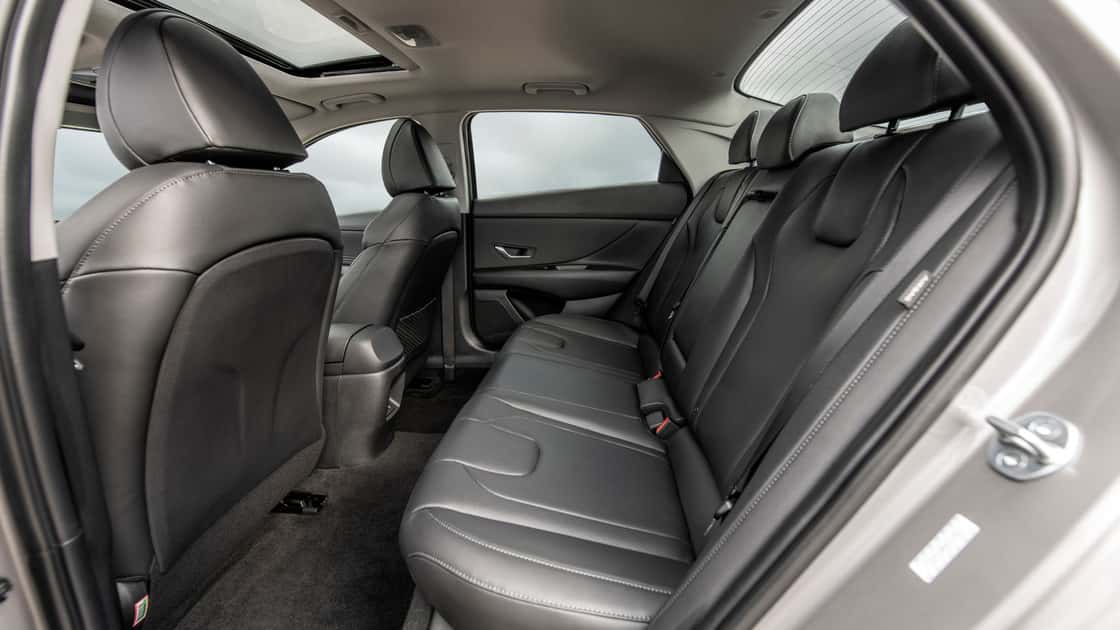
Premium cloth seating surfaces are standard on several models. The Limited and Limited HEV trims use H-Tex® leatherette upholstery. N Line models feature leatherette and cloth combination sport seats, while the Elantra N utilizes leather-trimmed and microsuede combination N light sport bucket seats with illuminated N logos. Every model includes a 6-way adjustable driver’s seat and a 4-way adjustable front passenger seat. Front passenger slide and recline functionality is also standard throughout the lineup.
Comfort-Oriented Seating Equipment
Available seating features include heated front seats, ventilated front seats, power driver seat adjustment with lumbar support, and an Integrated Memory System for the driver’s seat and outside mirrors. Rear seating configurations vary by trim and include folding seatbacks designed to increase cargo flexibility. Certain models add a center armrest with integrated cupholders. Seat folding release mechanisms located in the trunk further enhance cargo area accessibility.
Technology, Audio, and Connectivity
Technology integration plays a significant role in the 2026 Hyundai Elantra. The model offers multiple infotainment configurations, smartphone connectivity solutions, audio system upgrades, and connected services. Equipment levels vary by trim, allowing technology content to increase progressively throughout the lineup.
Infotainment Systems
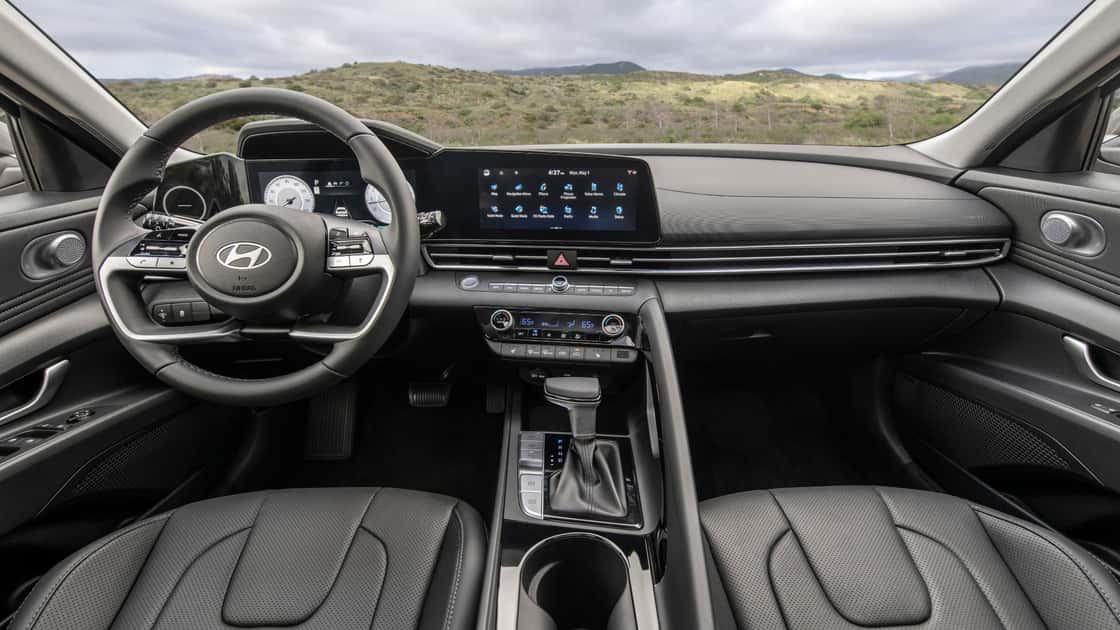
Several trims feature an 8-inch Display Audio system with a high-resolution touchscreen and a six-speaker audio system. This setup includes a rearview camera with Dynamic Guidance, AM/FM and HD Radio™ functionality, wireless Apple CarPlay®, and wireless Android Auto™ compatibility. Higher trims feature a 10.25-inch navigation system with a high-resolution touchscreen. Navigation-equipped models also include SiriusXM® Satellite Radio and associated data services.
Audio and Connected Features
Bose® premium audio systems equipped with eight speakers, including a center channel and subwoofer, are available on select trims. Bluetooth® hands-free functionality with Voice Recognition is standard across the lineup. Dynamic Voice Recognition is included on navigation-equipped configurations. Additional technology features include Bluelink® Connected Car Services, Wi-Fi hotspot capability tied to navigation systems, wireless smartphone charging, and speed-sensitive automatic volume control.
Charging and Device Integration
All models include dual front USB connections consisting of one charge-and-data port and one USB-C charging port. Rear passengers receive two USB-C charging ports. These features support modern device connectivity while providing convenient charging access throughout the cabin. Combined with smartphone integration and wireless charging availability, the system supports a broad range of connected device functions.
Convenience Features and Interior Functionality
The interior of the 2026 Hyundai Elantra includes numerous convenience features intended to support everyday operation and occupant comfort. Storage solutions, driver information systems, climate controls, and keyless access technologies are integrated throughout the cabin. Equipment availability varies according to trim level.
Climate Control and Driver Information
Manual air conditioning is standard on SE models, while dual automatic temperature control is available on other trims. Rear seat heater ducts and rear window defrosters are standard across the lineup. Instrumentation includes a speedometer, tachometer, fuel gauge, digital odometer, trip odometer, clock, and external temperature display. The Elantra N adds performance-focused instrumentation that displays information such as turbo pressure, throttle position, brake pressure, oil temperature, coolant temperature, and power-related data.
Storage and Access Features
The cabin includes numerous storage areas, including a center console storage box, a front armrest storage compartment, a glove compartment, door pockets, and multiple cupholders. Power windows, power door locks, remote hood release, remote trunk release, and fuel filler door release are standard. Additional available features include proximity key entry, push-button start, Digital Key 2.0 Touch, hands-free smart trunk release, and auto-dimming rearview mirrors. These systems contribute to ease of use without altering the vehicle’s primary functionality.
Safety and Driver Assistance Technologies
The 2026 Hyundai Elantra incorporates a comprehensive collection of passive safety systems, active safety technologies, and driver-assistance features. These systems operate alongside the vehicle’s structural design to support occupant protection and driver awareness. Safety equipment is integrated throughout the lineup, with additional technologies available on specific trims.
Occupant Protection Systems
Standard restraint systems include advanced front airbags, front-seat side-impact airbags, and side curtain airbags for front and rear occupants. The vehicle also includes an Occupant Classification System, front seatbelt pretensioners, adjustable front shoulder belt anchors, and LATCH child-seat attachment points. Additional safety features include child safety locks, an Event Data Recorder, and power window lockout functionality. These systems work together to provide a comprehensive occupant protection strategy.
Active Safety Features
The 2026 Hyundai Elantra includes Anti-lock Braking System functionality, Vehicle Stability Management, Electronic Stability Control, Traction Control System, Hill Start Assist Control, Brake Assist, and Tire Pressure Monitoring System. Structural safety elements include front and rear crumple zones, body-side reinforcements, rear door dual beams, high-tensile steel construction, and an energy-absorbing steering column. Additional systems include Smart Pedal functionality and an emergency trunk release.
Advanced Driver-Assistance Systems
Driver-assistance technologies include Forward Collision-Avoidance Assist, Blind-Spot Collision-Warning, Rear Cross-Traffic Collision-Avoidance Assist, Lane Keeping Assist, Lane Following Assist, Driver Attention Warning, High Beam Assist, Safe Exit Warning, Rear Occupant Alert, and Intelligent Speed Limit Assist. Select trims add sensor-fusion Forward Collision-Avoidance Assist with pedestrian, cyclist, and junction-turning detection. Available technologies also include Smart Cruise Control with Stop and Go, Highway Drive Assist, and Parking Distance Warning. Together, these systems expand driver awareness and support vehicle operation in a variety of traffic environments.
Dimensions and Interior Packaging
The 2026 Hyundai Elantra rides on a 107.1-inch wheelbase and measures 185.4 inches in overall length. Overall width is 71.9 inches, while overall height ranges from 55.7 inches to 55.9 inches depending on configuration. Minimum ground clearance ranges from 5.3 inches to 5.5 inches. Passenger compartment volume measures 99.4 cubic feet, while trunk capacity totals 14.2 cubic feet. Combined interior volume is listed at 113.6 cubic feet, providing a balance of passenger accommodation and cargo-carrying capability.
The headroom measures 40.6 inches in the front, or 38.7 inches when equipped with a sunroof, and 37.3 inches in the rear. Front legroom is 42.3 inches, while rear legroom measures 38.0 inches. Shoulder room measures 56.5 inches in front and 55.6 inches in the rear. Hip room is listed at 53.4 inches in the front seating area and 50.5 inches in the rear. These dimensions provide a consistent passenger environment across the various trim levels.
Schedule a Test Ride near Lexington, GA
We invite you to experience the 2026 Hyundai Elantra firsthand and explore its diverse range of powertrains, technology systems, comfort features, handling characteristics, and safety technologies. Our team can help you evaluate the differences between gasoline, hybrid, turbocharged, and performance-oriented configurations while reviewing available equipment and functional features. A test drive provides an opportunity to experience the vehicle’s transmission options, steering systems, suspension designs, and driver-assistance technologies in operation. We can also demonstrate infotainment features, connectivity systems, seating configurations, and convenience technologies available throughout the lineup. Visit ALM Hyundai of Athens near Lexington, GA to learn more about the 2026 Hyundai Elantra and determine which configuration best fits your needs.