

2026 Hyundai Tucson near Coventry, GA
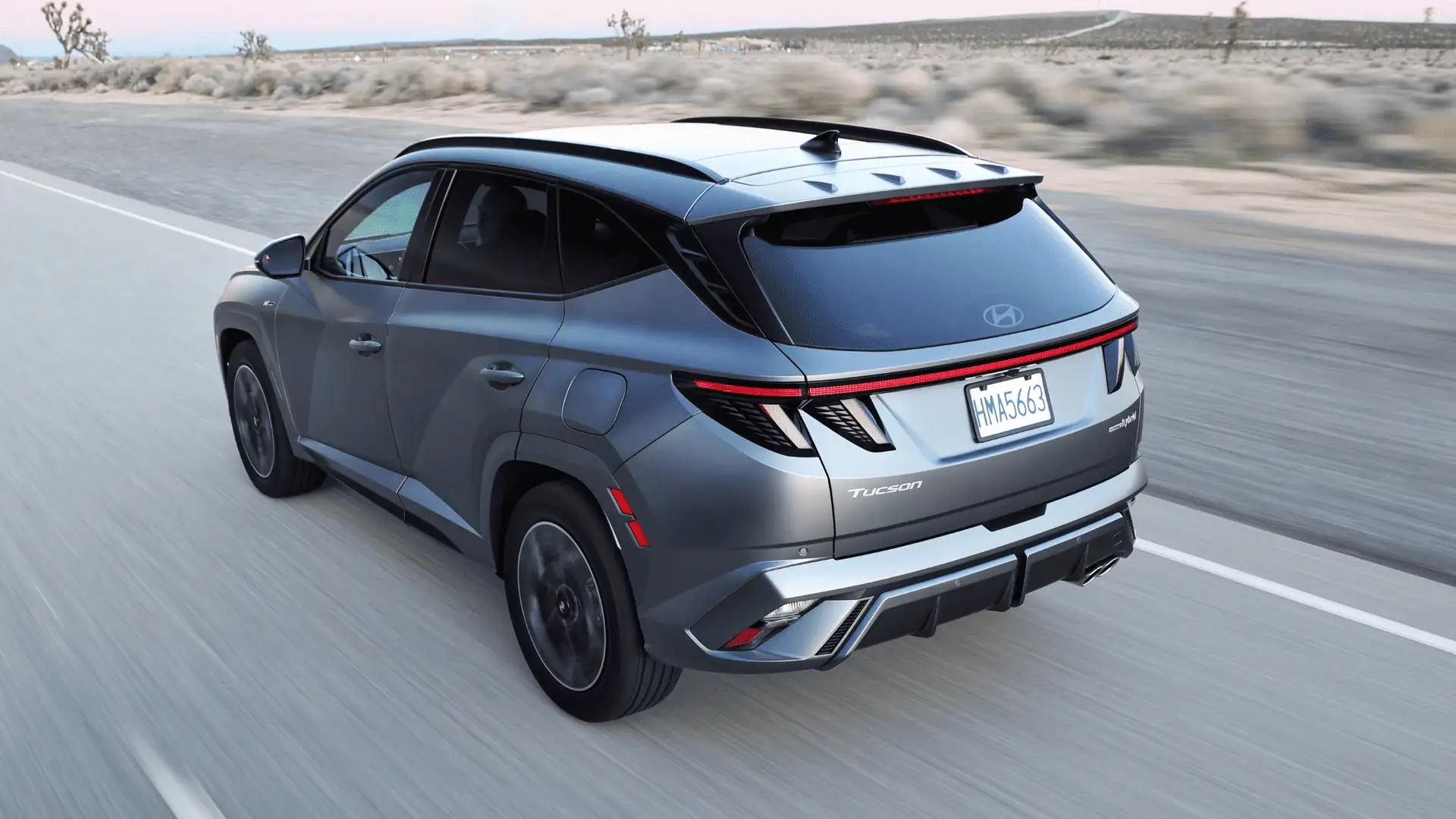
The 2026 Hyundai Tucson is engineered with a detailed set of mechanical, structural, and technological specifications designed to support consistent performance and efficient operation. This model uses the Smartstream® engine family with a combination of gasoline and electrified systems that provide varied power outputs depending on configuration. The chassis, braking systems, safety technologies, and interior electronics work together to support predictable control and functionality. With updates to exterior components, internal interfaces, and system integration, the 2026 Hyundai Tucson presents a technical profile that emphasizes precision engineering and structured vehicle dynamics. The following sections outline these characteristics in a clear and organized manner.
Engine Architecture and Powertrain Design
The 2026 Hyundai Tucson is available with multiple engine options that use lightweight aluminum block and head construction to maintain strength while limiting mass. The standard 2.5-liter GDI and MPI inline four-cylinder engine operates with a dual overhead cam design and sixteen valves. It has a displacement of 2497 cc and incorporates Continuously Variable Valve Timing for improved airflow management across a range of engine speeds. Output is measured at 187 horsepower at 6100 rpm and 178 pound-feet of torque at 4000 rpm. The Idle Stop and Go system is standard on all gasoline models and assists with efficiency in stationary conditions.
Drivers selecting the hybrid or plug-in hybrid variants receive a 1.6-liter Turbo GDI inline four-cylinder engine with sixteen valves and Continuously Variable Valve Duration. This powertrain uses an electric motor that operates through a permanent magnet synchronous design. Combined system output for the hybrid configuration reaches 231 horsepower and 271 pound-feet of torque. The plug-in hybrid configuration increases total system horsepower to 268 with the same torque rating. Electric motor output differs between the two variants, with the hybrid producing 64 horsepower and 195 pound-feet of torque and the plug-in hybrid producing 97 horsepower and 224 pound-feet of torque. Battery capacities are set at 1.49 kWh for the hybrid and 13.8 kWh for the plug-in hybrid. The plug-in hybrid charges through a 7.2 kW onboard charger that completes a full charge in approximately two hours at 240 volts.
Mechanical Systems and Transmission Engineering
Ignition systems use distributorless operation on all configurations. The starter rating for the 2.5-liter engine is 12 volts with a 1.4 kW starter when the Idle Stop and Go system is active and 1.2 kW when inactive. The hybrid and plug-in hybrid models use separate electrical management calibrated to their high-voltage systems. Alternator specifications for gasoline configurations are measured at 13.5 volts and 150 amps.
Transmission design varies by powertrain. The 2.5-liter engine pairs with an eight-speed automatic torque converter transmission that provides a smooth and predictable gear progression. The 1.6-liter hybrid and plug-in hybrid powertrains use a six-speed automatic torque converter transmission that integrates motor output for coordinated propulsion. Paddle shifters are available for gasoline models and standard for hybrid and plug-in hybrid variants. Shift By Wire is available for gasoline configurations and standard for electrified configurations. Drive types include front-wheel drive for gasoline models and available all-wheel drive. Hybrid and plug-in hybrid versions do not offer front-wheel drive and instead use all-wheel drive with adjusted final gear ratios.
Steering, Suspension, and Structural Composition
Steering uses a motor-driven power steering rack and pinion system that is column-mounted with an overall ratio of 13.7 to 1. Turn count is measured at 2.41 from lock to lock, and the turning diameter is 38.6 feet from curb to curb. Suspension systems feature MacPherson® strut architecture with coil springs at the front along with gas-pressurized shock absorbers. The rear uses a multi-link configuration with gas-pressurized shock absorbers to maintain stability and consistent contact with the road surface. Body construction uses a unibody layout with a combination of advanced high-strength steel and high-tensile steel materials to increase rigidity and support impact distribution.
Exterior Engineering and Functional Components
Exterior construction provides multiple wheel options that correspond to trim level. Seventeen-inch alloy wheels are standard on SE and hybrid Blue. Eighteen-inch wheels are used on SEL, SEL Convenience, XRT, and selected hybrid and plug-in hybrid configurations. Nineteen-inch wheels are used on Limited models. Tire specifications align with these wheel sizes. Lighting technology includes Bi-LED headlights, LED front turn signals, LED daytime running lights, and LED taillights. Premium daytime running lights are available on select trims. Automatic headlights and High Beam Assist are standard on all versions.
Side mirrors include heating capability on higher trims and incorporate Blind Spot Collision Warning and Rear Cross Traffic Collision Avoidance Assist indicators. Turn signal indicators in the mirrors are available or standard depending on trim. Solar glass is used on the front doors and windshield, and the windshield uses acoustic laminated construction. The panoramic sunroof is standard on the Limited model and available on selected configurations. Structural exterior elements include side sills, roof rails, and integrated rear spoiler design. The Smart Liftgate with auto-open function is available or standard on several trims.
Interior Technologies and Cabin Engineering
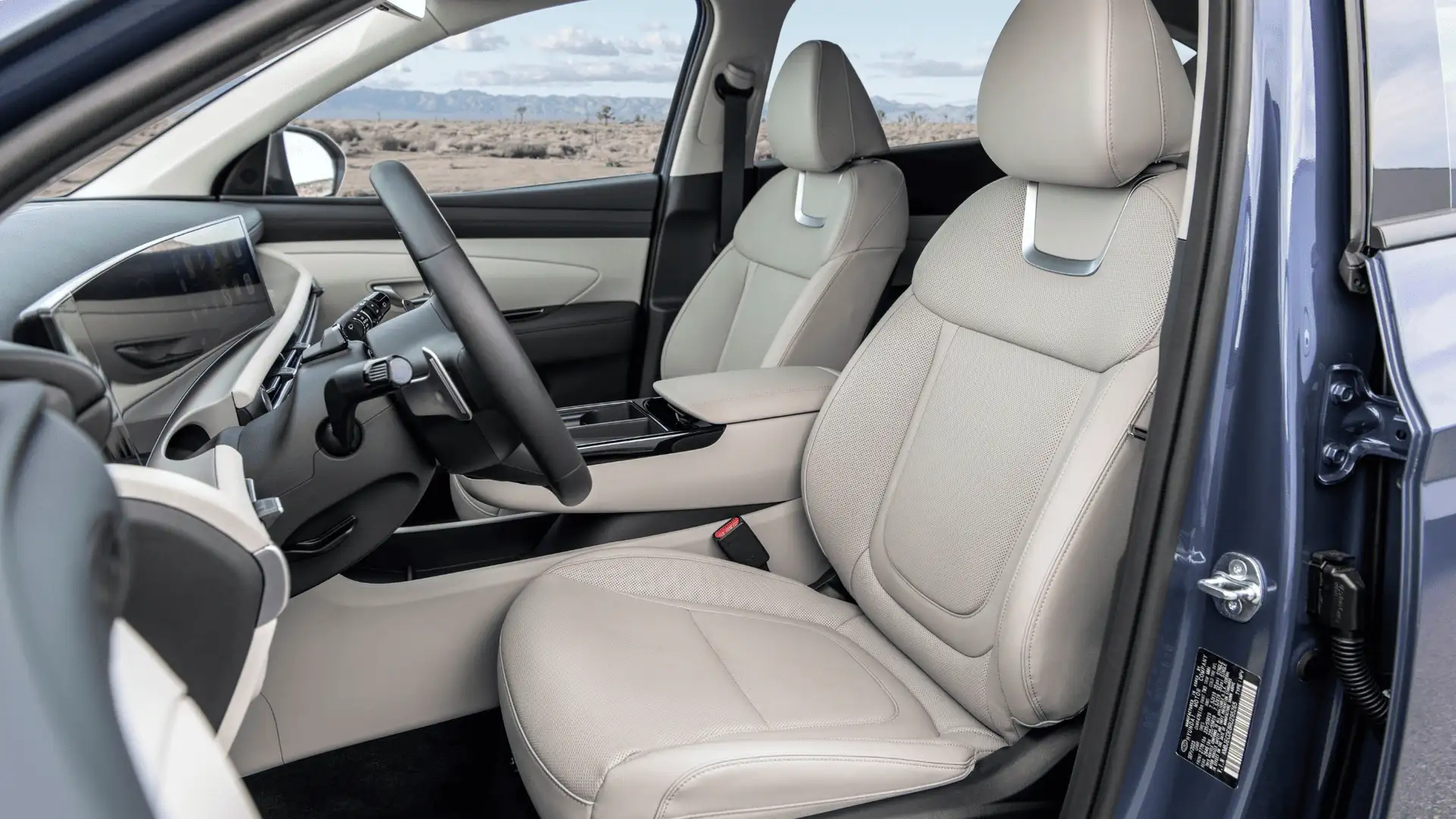
Interior seating layouts accommodate five passengers. Cloth-trimmed seats with odor- and stain-resistant materials are standard on lower trims. Leatherette surfaces are available on some trims, and full leather surfaces appear on the Limited model. Driver seats range from six-way manual designs to eight-way power versions with lumbar support. Ventilated front seats and heated rear seats are exclusive to the Limited trim. Rear seating uses a reclining 60 to 40 split-fold design with adjustable head restraints. Cargo space is supported by a dual-level cargo floor on all models except the plug-in hybrid and a remote-release folding function from the cargo area.
Multimedia features include a 12.3″ touchscreen with AM and FM radio, HD Radio™, a six-speaker audio system, and SiriusXM®. A navigation-equipped 12.3-inch screen is available on certain trims, and the Limited model includes a Bose® premium audio system with digital amplification and eight speakers. Wireless Apple CarPlay® and Android Auto™ are standard on all trims. USB Type-C ports are found in both the front and second-row areas. A rearview camera is standard.
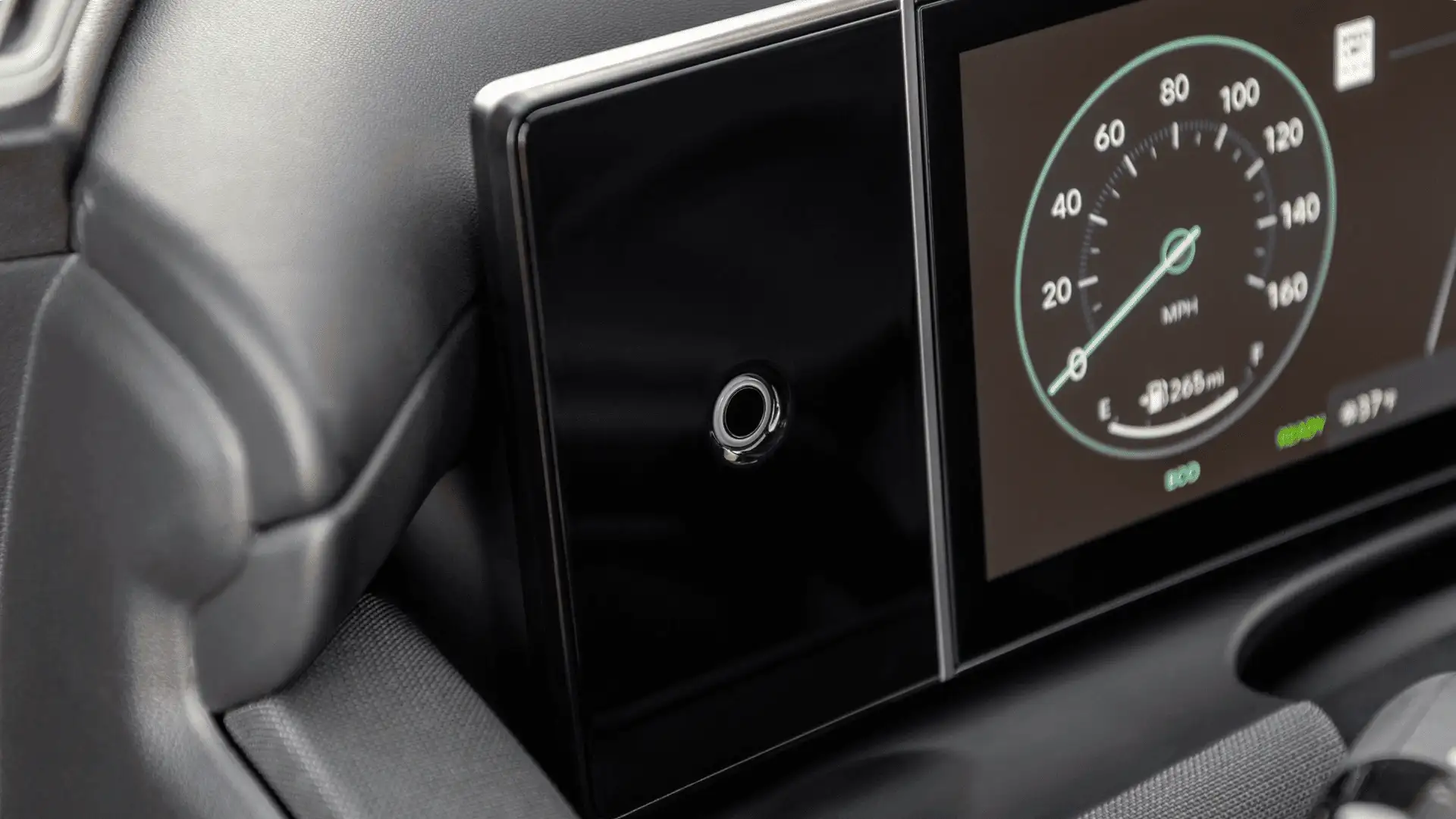
Interior systems provide manual air conditioning on the SE and dual automatic temperature control on higher trims, including dedicated rear ventilation on hybrid and plug-in hybrid models. The steering wheel design features integrated audio controls, Bluetooth® controls, and cruise control buttons. Leather wrapping and heating functions depend on trim selection. Digital instrumentation is available through a 12.3-inch cluster, while standard models use a 4.2-inch multi-information display.
Safety Engineering and Driver Assistance Systems
All 2026 Hyundai Tucson models include front airbags with advanced design, front side airbags, side curtain airbags with rollover sensors, and rear side airbags. Structural reinforcements improve occupant protection. Seatbelt systems include pretensioners, load limiters, adjustable anchors, and reminders. Child safety features include LATCH anchors and rear door child safety locks. Braking systems incorporate four-wheel disc brakes with ABS, Electronic Brake Force Distribution, Brake Assist, Hillstart Assist Control, Downhill Brake Control, Electronic Parking Brake with Auto Hold, and Traction Control managed through Electronic Stability Control and Vehicle Stability Management.
Driver assistance technologies include Forward Collision Avoidance Assist with detection for pedestrians, cyclists, and junction turning. Additional assistance features include Blind Spot Collision Warning, Rear Cross Traffic Collision Avoidance Assist, Lane Keeping Assist, Lane Following Assist, Driver Attention Warning, Intelligent Speed Limit Assist, and Safe Exit Warning. Higher trims add Parking Collision Avoidance Assist Rear, Parking Distance Warning, Surround View Monitor, Blind Spot View Monitor, Highway Driving Assist, Forward Attention Warning, and Navigation-based Smart Cruise Control with Curve Control.
Vehicle Dimensions and Utility Specifications
The 2026 Hyundai Tucson measures 182.7 inches in overall length with a wheelbase of 108.5 inches. Overall width is 73.4 inches, and height ranges from 65.6 inches for front-wheel drive to 66.3 inches for all-wheel drive, depending on configuration. Minimum ground clearance is 7.1 inches for the front-wheel drive and 8.3 inches for the all-wheel drive. Cargo capacity for gasoline and hybrid configurations measures 38.7 cubic feet with rear seats upright and up to 80.3 cubic feet with rear seats folded. The plug-in hybrid capacity measures 31.9 cubic feet with seats upright and 71.8 cubic feet with seats folded. Fuel tank capacity is 14.3 gallons for gasoline models, 13.7 gallons for hybrids, and 11.1 gallons for plug-in hybrids.
Schedule a Test Ride near Coventry, GA
Drivers who want a deeper understanding of the 2026 Hyundai Tucson can benefit from experiencing its technical systems firsthand in a controlled test drive environment. The full range of engine configurations, drivetrain behaviors, cabin technologies, and safety functions becomes easier to evaluate during direct operation. A scheduled visit allows time to examine the interior interfaces and mechanical characteristics without pressure. Our team at ALM Hyundai of Athens near Coventry, GA, is available to guide drivers through the process. We invite you to arrange a test drive so you can assess performance, responsiveness, and feature integration in a way that aligns with your driving preferences.