

2026 Hyundai Sonata near Loganville, GA
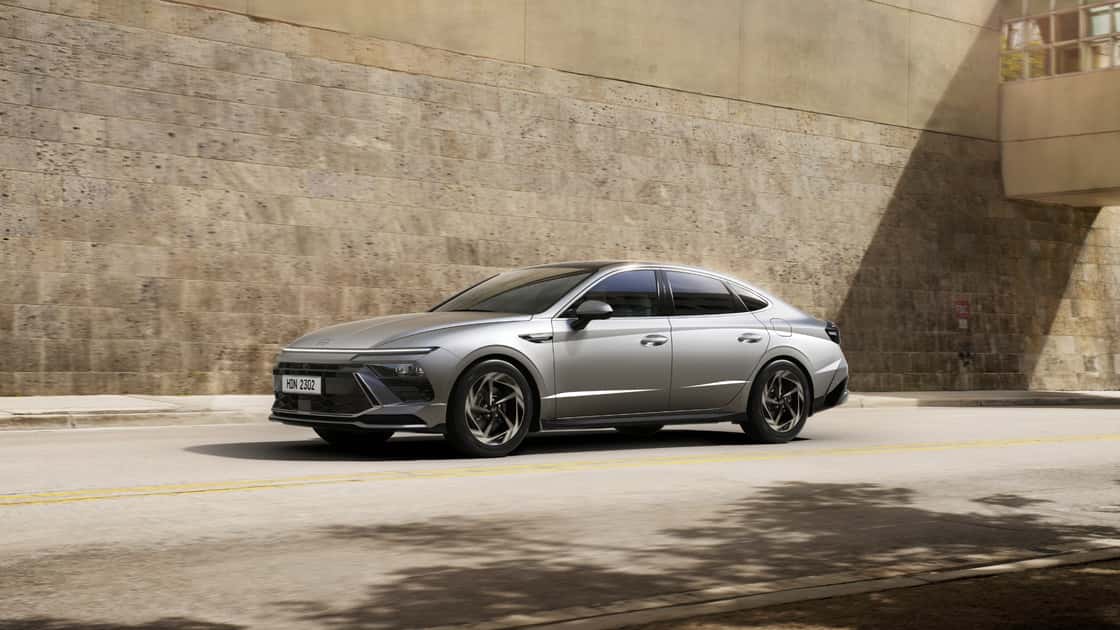
The 2026 Hyundai Sonata is engineered with a focus on clearly defined mechanical configurations, measurable output, and consistent structural design. The model lineup includes a naturally aspirated 2.5-liter engine, a turbocharged 2.5-liter engine for higher-performance applications, and a 2.0-liter hybrid system that integrates an electric motor and lithium-ion battery. Each configuration maintains a consistent inline 4-cylinder layout with dual overhead camshaft architecture and four valves per cylinder. Bore and stroke measurements for the 2.5-liter engines are set at 88.5 mm by 101.5 mm, supporting a balance between torque production and engine efficiency. The hybrid engine uses an 81 mm bore and 97 mm stroke, paired with an aluminum block and head construction to reduce overall weight.
The standard 2.5-liter engine produces 191 horsepower at 6,100 rpm and 181 lb.-ft. of torque at 4,000 rpm. The turbocharged 2.5-liter variant increases output to 290 horsepower at 5,800 rpm and delivers 311 lb.-ft. of torque across a wide range from 1,650 to 4,000 rpm. Compression ratios differ between the engines, with the naturally aspirated version rated at 13.0 and the turbocharged version at 10.5. Both engines utilize continuously variable valve timing to optimize intake and exhaust flow under varying operating conditions. The hybrid system produces a combined output of 192 horsepower by integrating the gasoline engine with a 39 kW electric motor that generates 51 horsepower and 151 lb.-ft. of torque at low speeds.
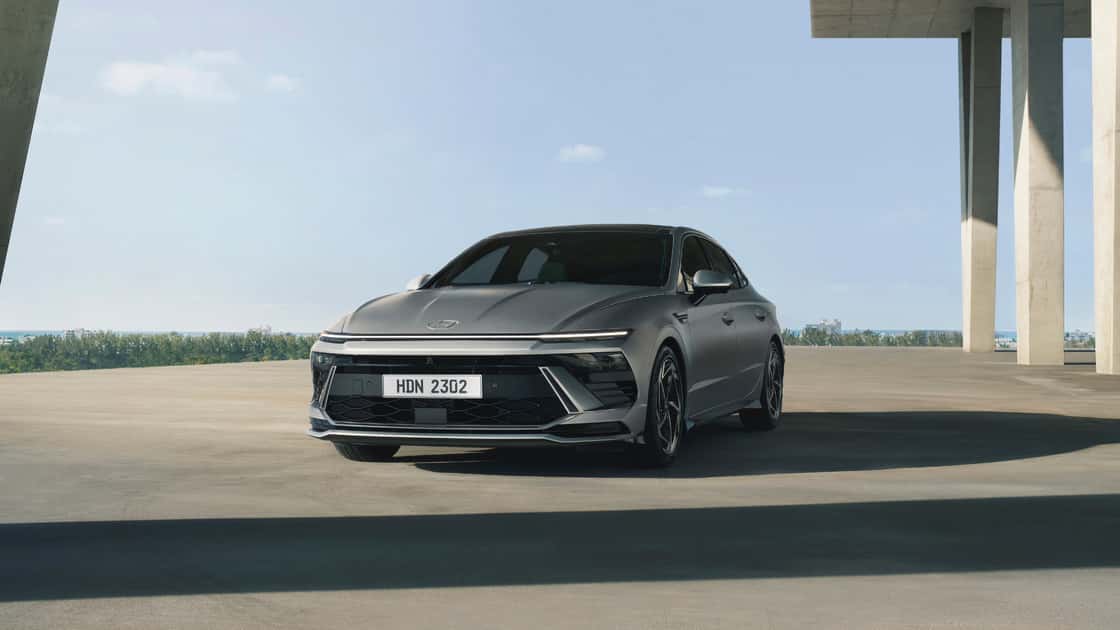
Transmission Systems and Drivetrain Configurations
The 2026 Hyundai Sonata uses multiple transmission designs tailored to each powertrain. The 2.5-liter gasoline models are equipped with an 8-speed electronic automatic transmission that includes overdrive and a lock-up torque converter. This system supports consistent gear transitions and efficient cruising at highway speeds. The N Line model is fitted with an 8-speed wet dual-clutch transmission that uses a twin-clutch system designed for faster gear engagement and improved torque handling under higher load conditions.
Drive configurations vary by trim. Front-wheel drive is standard across the lineup, while the SEL Sport trim offers an available all-wheel drive system identified as HTRAC. This system adjusts torque distribution between the front and rear wheels to improve traction under varying road conditions. The turbocharged N Line model remains front-wheel drive to support performance-oriented handling characteristics.
Hybrid models use a 6-speed electronic automatic transmission that integrates with the electric motor. The transmission includes a shift lock system and a manual shift mode controlled through paddle shifters. In most driving modes, the paddle shifters adjust regenerative braking levels, allowing the driver to manage energy recovery during deceleration. In sport mode, the paddle shifters provide manual gear selection.
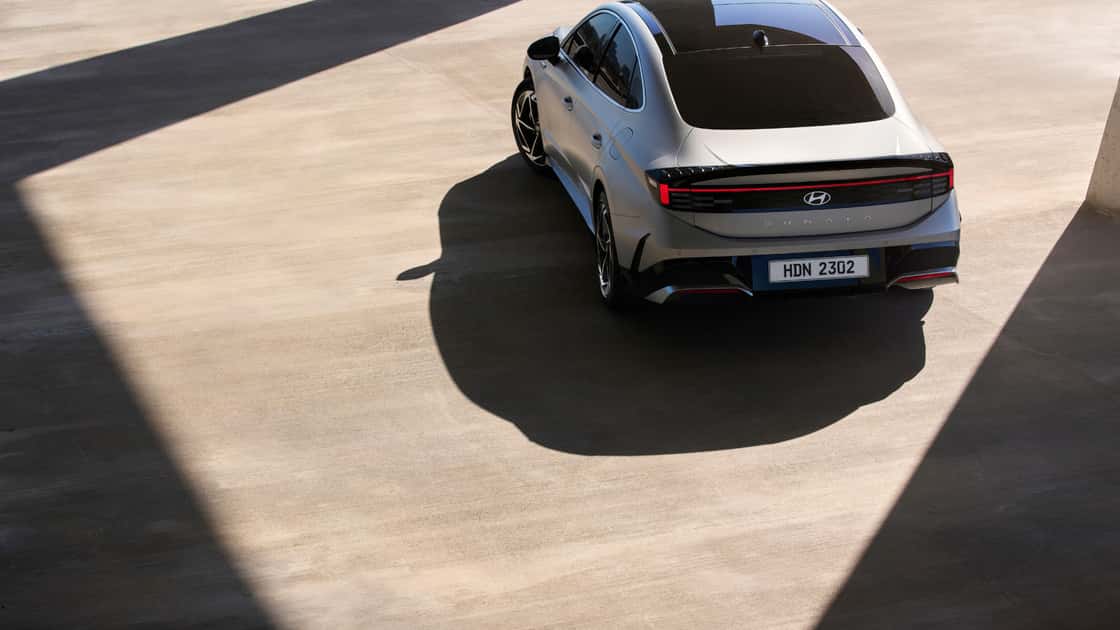
Hybrid System Integration and Electrical Specifications
The hybrid system in the 2026 Hyundai Sonata is designed with a permanent magnet synchronous motor and a lithium-ion battery pack. The battery operates at a maximum voltage of 270 volts and has a total system capacity of 1.62 kWh. The battery provides a power output of 56 kW, which supports electric propulsion and assists the gasoline engine during acceleration. The electric motor produces peak torque from zero to 1,800 rpm, which improves low-speed responsiveness and reduces reliance on the gasoline engine during initial acceleration.
Fuel capacity differs between configurations. Gasoline-powered models use a 15.9-gallon fuel tank, while hybrid models use a 13.2-gallon tank. The hybrid system is rated with a higher greenhouse gas efficiency and achieves combined fuel economy ratings up to 51 miles per gallon, depending on trim configuration.
Disclaimer: *2026 SONATA SE: 28 City/38 Hwy/32 Combined MPG. 2026 SONATA SEL SPORT: 25 City/36 Hwy/29 Combined MPG. 2026 SONATA SEL SPORT AWD: 24 City/33 Hwy/27 Combined MPG. 2026 SONATA N Line: 23 City/32 Hwy/27 Combined MPG. All figures are EPA estimates and for comparison purposes only. Actual mileage may vary with options, driving conditions, driving habits, and vehicle’s condition.
Structural Composition and Suspension Geometry
The 2026 Hyundai Sonata is built on a unibody platform that uses high-tensile steel as its primary structural material. This design supports rigidity while maintaining weight control across the vehicle. The suspension system uses a MacPherson® strut configuration in the front and a multi-link design in the rear. Stabilizer bars and gas shock absorbers are included in both front and rear assemblies to control body movement and maintain tire contact with the road surface.
Steering is managed through a rack-and-pinion system with motor-driven power assistance. Column-mounted motor-driven power steering is used in the standard and hybrid configurations, while the turbocharged N Line uses a rack-mounted motor-driven system. Steering ratios vary by configuration, with the standard models set at 13.27 and the N Line at 12.35. The turning diameter remains consistent at 35.9 feet across all trims, providing predictable maneuverability in urban and parking environments.
Brake System Design and Wheel Specifications
The braking system in the 2026 Hyundai Sonata uses power-assisted discs with electronic control systems to regulate braking force. The standard and hybrid configurations include 12.0-inch ventilated front discs and 11.2-inch solid rear discs. The N Line model upgrades to 13.6-inch ventilated front discs and 12.8-inch rear discs to support higher performance demands.
All models include anti-lock braking with electronic brake-force distribution and traction control integration. Brake assist functionality is included to increase stopping force during emergency braking conditions. An electronic parking brake with automatic vehicle hold is also standard, allowing the vehicle to remain stationary without continuous pedal input.
Wheel and tire configurations vary across trims. The base model uses 16-inch aluminum alloy wheels with 205/65R16 tires. Mid-level trims use 18-inch wheels with 235/45R18 tires. The N Line uses 19-inch wheels with 245/40R19 tires. Hybrid models use either 16-inch or 17-inch wheels, depending on trim level. A tire pressure monitoring system is standard and provides individual tire status information.
Exterior Lighting and Functional Elements
The 2026 Hyundai Sonata includes LED projector-type headlights and LED rear combination taillights across all trims. Automatic light control and high beam assist are standard, allowing the system to adjust lighting output based on external conditions. A center high-mounted stop lamp is also included.
Exterior mirrors include power adjustment and available heating functionality. Blind-spot collision warning is integrated with the mirror system to provide visual alerts during lane changes. Additional exterior features include solar control glass, an acoustic film windshield, and optional acoustic front door glass for reduced cabin noise.
Trim-specific exterior components include sport front bumper fascia, rear diffuser, and rear spoiler elements. The N Line includes unique styling features and a dual exhaust system with twin outlets, while other trims use concealed exhaust configurations.
Interior Dimensions and Seating Configuration
The interior of the 2026 Hyundai Sonata is designed to accommodate five occupants with a total passenger volume of 104.4 cubic feet. Cargo capacity measures 15.6 cubic feet in the trunk. Interior dimensions include 46.1 inches of front legroom and 34.8 inches of rear legroom. Shoulder room measures 57.9 inches in the front and 56.1 inches in the rear. Headroom measurements vary depending on sunroof configuration, with maximum front headroom reaching 40.0 inches.
Seating materials include premium cloth, H-Tex® surfaces with microfiber inserts, and leather-trimmed upholstery, depending on trim. Front seating configurations include manual and power-adjustable seats with up to 8-way adjustment and available lumbar support. Heated and ventilated front seats are available, along with a driver memory system for seat and mirror positioning. Rear seats include a 60/40 split-folding design and a center armrest with integrated cup holders.
Digital Interface and Connectivity Systems
The 2026 Hyundai Sonata includes a 12.3-inch high-definition touchscreen interface for infotainment and system controls. The standard audio system includes six speakers, while higher trims include a Bose® premium audio system with twelve speakers and a dedicated subwoofer. The system supports HD Radio™ and SiriusXM® satellite radio.
Smartphone integration is available through Apple CarPlay® and Android Auto™ with both wired and wireless functionality. Additional connectivity features include Bluetooth® integration, multiple USB ports, and a wireless device charging system on selected trims. Navigation-equipped models include dynamic voice recognition, traffic data integration, and in-vehicle payment functionality.
The system also includes Hyundai Bluelink® services, which support connected vehicle functions. A Wi-Fi hotspot is included on equipped models, allowing connectivity for external devices within the vehicle.
Climate Control and Driver Information Systems
Climate control systems vary by trim level. Base models include manual air conditioning, while higher trims include dual automatic climate control with automatic defogging functionality. Rear air vents are included in upper trims to improve airflow distribution for rear passengers. A cabin air filter and electronic rear window defroster are standard.
The driver information system includes a full set of gauges and indicators such as speedometer, tachometer, fuel level, and engine temperature. Additional indicators include driver-assistance system alerts, tire pressure monitoring, and system diagnostics. A head-up display is available on higher trims and projects key driving information within the driver’s line of sight.
Integrated Safety and Driver Assistance Technologies
The 2026 Hyundai Sonata includes a comprehensive set of safety systems. The restraint system includes advanced airbags, including front, side-impact, and curtain airbags and a driver knee airbag. Seatbelt systems include pretensioners and force limiters, along with adjustable anchors.
Active safety systems include forward collision-avoidance assist with pedestrian and cyclist detection, blind-spot collision warning with rear cross-traffic collision-avoidance assist, and lane keeping assist. Lane-following assist and driver attention warning systems are also included to monitor driver behavior and maintain lane positioning.
Additional features include safe exit warning, rear occupant alert, and high beam assist. Higher trims include surround view monitoring, parking collision-avoidance assist, and remote smart parking assist. Stability management systems integrate traction control and braking systems to maintain vehicle control under various conditions.
Visit ALM Hyundai of Athens to Schedule a Test Ride
We encourage you to arrange a test drive to assess the mechanical and technological systems of the 2026 Hyundai Sonata. During your visit to ALM Hyundai of Athens near Loganville, GA, you can review the differences between the 2.5-liter engine, the turbocharged N Line configuration, and the hybrid system. You can evaluate the transmission response, braking system performance, and steering characteristics under controlled driving conditions. The available driver-assistance technologies and digital interfaces can also be examined during the drive. Scheduling a test drive provides a structured opportunity to analyze the 2026 Hyundai Sonata’s specifications in operation and determine the configuration that meets your requirements.