

2026 Hyundai Sonata near Buford, GA
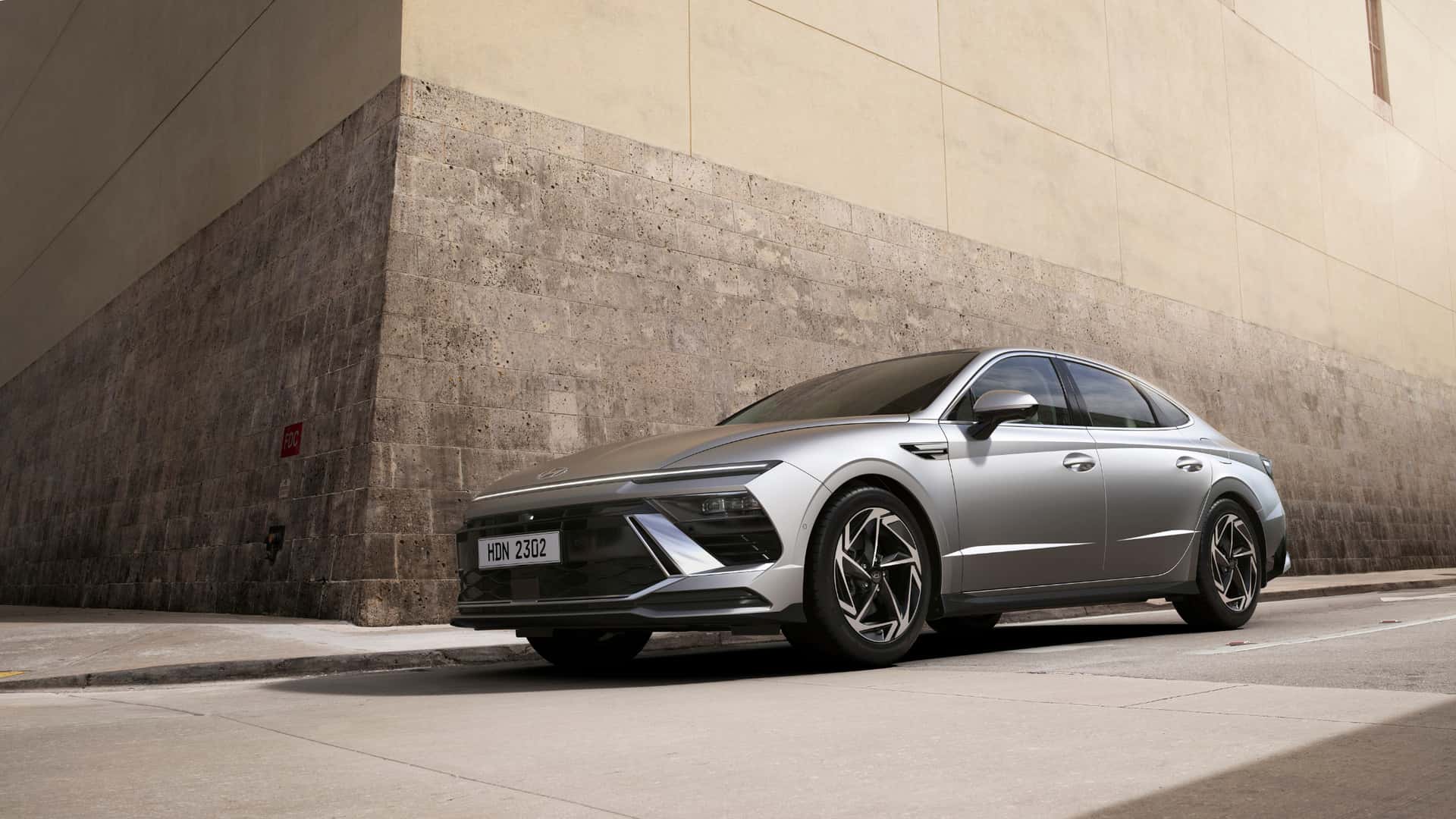
The 2026 Hyundai Sonata is engineered as a midsize sedan that integrates multiple powertrain configurations, modern digital systems, and an advanced safety architecture. The vehicle is built on a unibody platform constructed with high-tensile steel to support structural rigidity, occupant protection, and stable driving dynamics. Multiple trim configurations provide different powertrain options that include naturally aspirated gasoline engines, a turbocharged performance engine, and a hybrid propulsion system.
The 2026 Hyundai Sonata’s engineering focuses on mechanical precision, drivetrain versatility, and advanced driver assistance technologies. The model supports both front-wheel drive and all-wheel drive in selected trims and integrates electronic control systems designed to support stability, braking performance, and steering response. Interior systems include a large digital interface for infotainment, smartphone integration, and navigation functions, along with connectivity services and driver information displays. The vehicle’s safety architecture incorporates multiple airbag systems, collision avoidance technologies, and stability management systems designed to support occupant protection and situational awareness.
Smartstream® Engine Architecture and Powertrain Variants
The 2026 Hyundai Sonata is available with three primary powertrain configurations. Each system is built on Hyundai’s Smartstream® engine architecture and incorporates modern fuel delivery, valve timing control, and emissions management technologies.
The standard gasoline configuration uses a Smartstream® 2.5-liter GDI and MPI dual-injection inline four-cylinder engine. The engine has a displacement of 2,497 cubic centimeters and uses a double overhead camshaft layout with four valves per cylinder. Bore and stroke measurements are 88.5 millimeters and 101.5 millimeters. The engine generates 191 horsepower at 6,100 revolutions per minute and produces 181 pound-feet of torque at 4,000 revolutions per minute. Continuously Variable Valve Timing supports optimized airflow and combustion efficiency, and the compression ratio is rated at 13.0. The engine operates on unleaded fuel and incorporates emissions control systems designed to meet SULEV30 standards on applicable trims.
A second configuration introduces a turbocharged variant of the same 2.5-liter Smartstream® engine. This turbocharged engine is available on the performance-oriented N Line trim. The powertrain produces 290 horsepower at 5,800 revolutions per minute and generates 311 pound-feet of torque across a range of 1,650 to 4,000 revolutions per minute. The turbocharged design incorporates gasoline direct injection and multi-port injection for efficient fuel delivery. The compression ratio is rated at 10.5. This configuration focuses on higher output and quicker acceleration while maintaining a controlled combustion process.
A hybrid powertrain is also available. This system combines a 2.0-liter gasoline engine with an electric motor and a lithium-ion battery system. The gasoline engine is an aluminum-block inline four-cylinder design with a displacement of 1,999 cubic centimeters. It produces 150 horsepower at 6,000 revolutions per minute and 139 pound-feet of torque at 5,000 revolutions per minute. The electric motor is a permanent magnet synchronous unit capable of producing 39 kilowatts, equivalent to 51 horsepower, with 151 pound-feet of torque available at low rotational speeds. The hybrid system delivers a combined output of 192 horsepower. Electrical energy is stored in a lithium-ion battery with a capacity of 1.62 kilowatt-hours and a maximum voltage of 270 volts.
Transmission Systems and Drivetrain Configurations
The 2026 Hyundai Sonata uses several transmission systems depending on the selected engine configuration. The standard 2.5-liter gasoline engine is paired with an eight-speed electronic automatic transmission equipped with an overdrive lock-up torque converter. This transmission supports smooth gear transitions and optimized fuel efficiency across a wide range of driving conditions.
The turbocharged N Line model uses an eight-speed wet dual-clutch transmission. This design incorporates twin friction clutches to provide faster gear shifts and improved power delivery during acceleration. Paddle shifters are included on certain trims, allowing the driver to manually select gears through steering wheel controls.
Hybrid models use a six-speed electronic automatic transmission that includes shift lock and a SHIFTRONIC® manual shift mode. In hybrid driving modes, the paddle shifters can adjust regenerative braking levels. In sport mode, the paddle shifters allow manual gear selection for the transmission.
Front-wheel drive is the primary drivetrain configuration for most trims. The SEL Sport trim offers an available HTRAC all-wheel-drive system that distributes torque between the front and rear axles to improve traction during adverse weather or low-grip road conditions.
Suspension Geometry, Steering Systems, and Braking Hardware
The suspension system in the 2026 Hyundai Sonata uses a MacPherson® strut design for the front axle. This configuration incorporates stabilizer bars and gas-filled shock absorbers to manage vertical wheel movement and support vehicle stability. The rear suspension uses a multi-link design that also integrates stabilizer bars and gas shock absorbers. This combination provides consistent wheel control and improved ride quality during cornering and highway driving.
Steering is provided by a rack-and-pinion system with motor-driven electric power assistance. The standard steering ratio is 13.27 for most trims, while the N Line variant uses a quicker ratio of 12.35. The steering system provides approximately 2.6 turns from lock to lock on most trims, while the N Line requires about 2.44 turns. The vehicle has a turning diameter of 35.9 feet measured from curb to curb.
The braking system uses power-assisted disc brakes on all four wheels. Standard models include ventilated front discs measuring 12.0 inches in diameter and solid rear discs measuring 11.2 inches. The N Line trim uses larger ventilated front discs measuring 13.6 inches and rear discs measuring 12.8 inches. The braking system incorporates anti-lock braking with Electronic Brake-force Distribution and traction control integration. Additional features include Brake Assist and an electronic parking brake with automatic vehicle hold functionality.
Exterior Structure, Lighting Systems, and Aerodynamic Design
The 2026 Hyundai Sonata is built using a unibody structure constructed primarily from high-tensile steel. This structural design improves rigidity and supports impact energy management in the event of a collision. The body structure also contributes to the vehicle’s stability during high-speed driving.
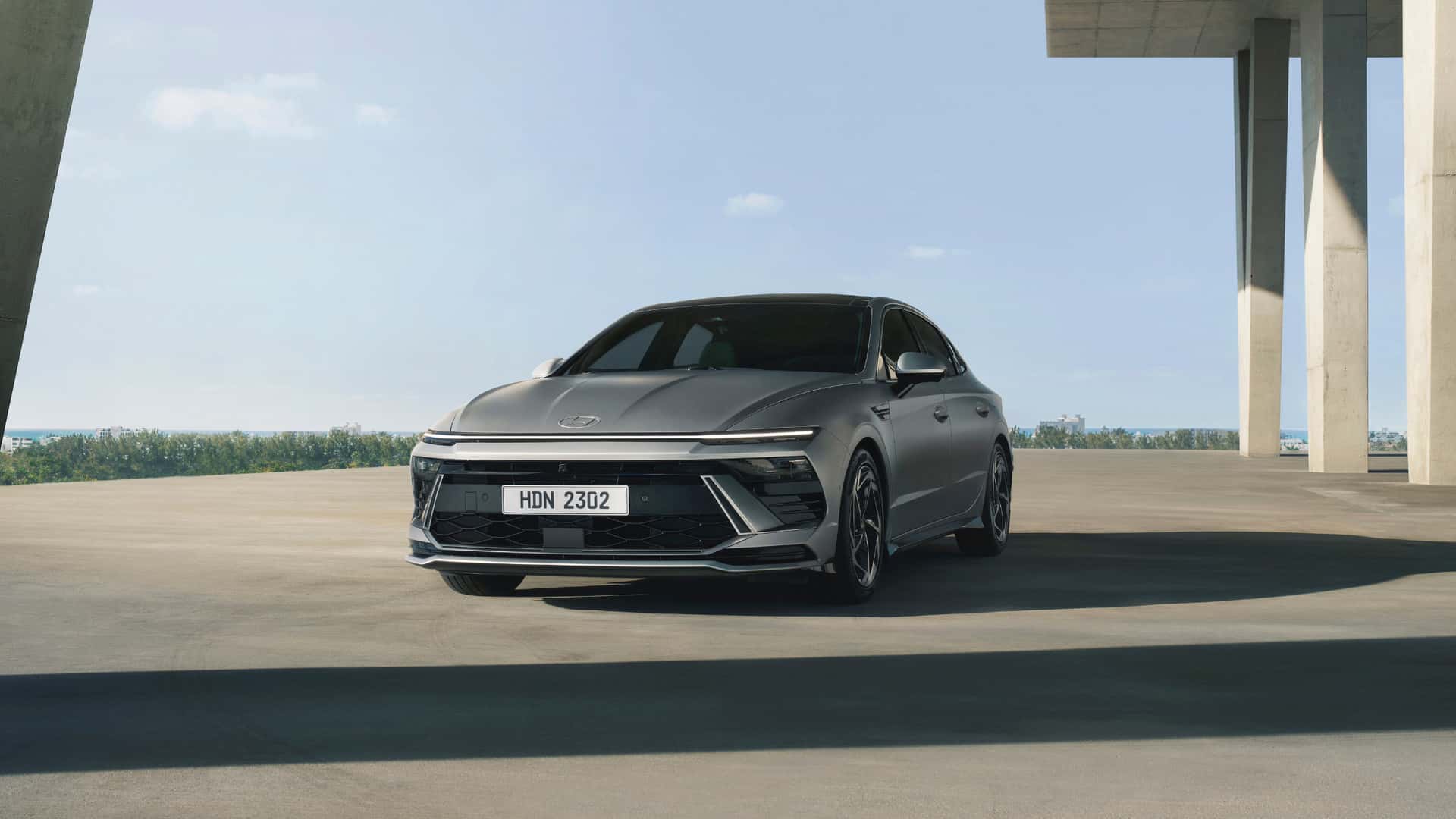
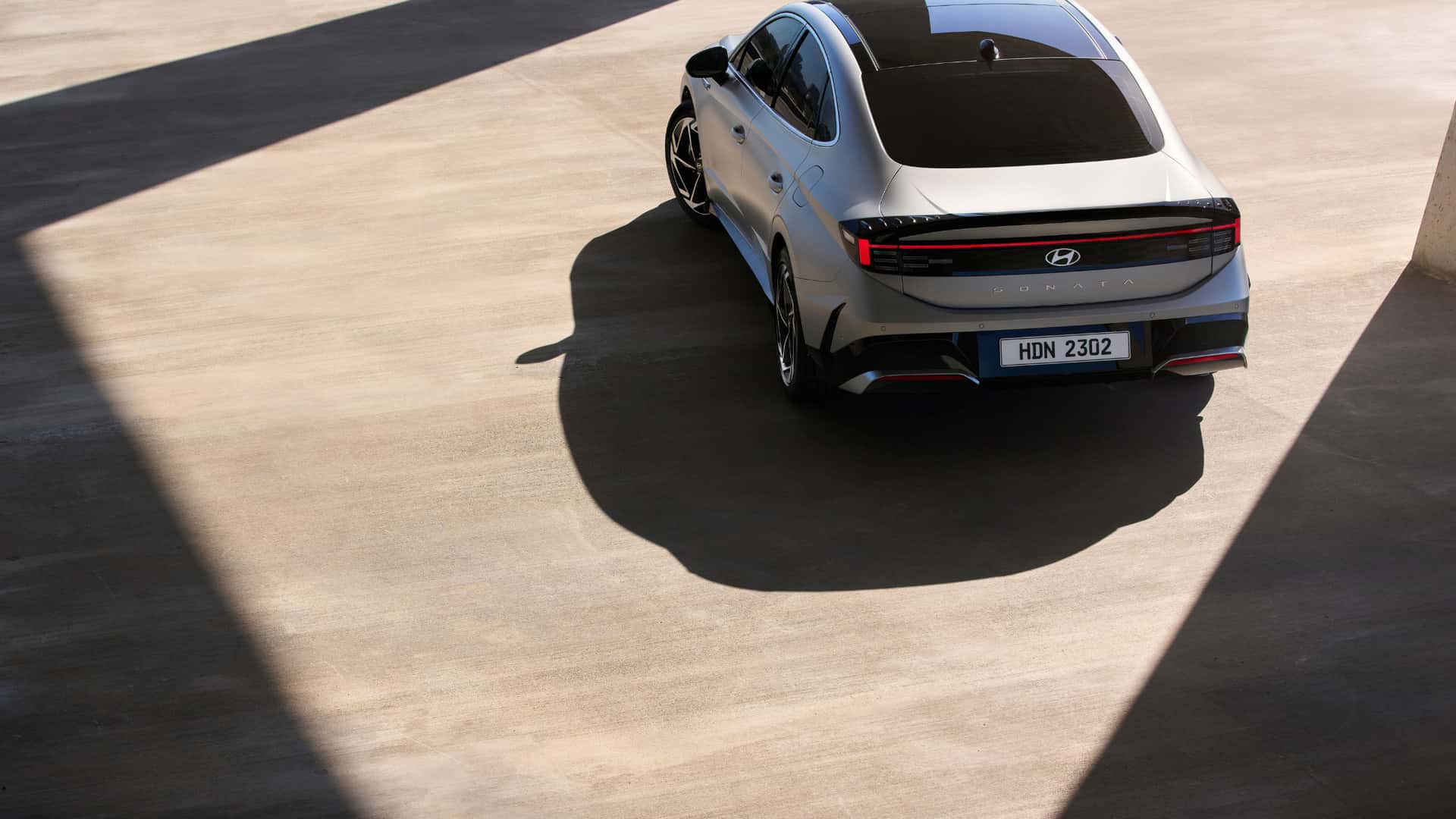
Exterior lighting technology includes projector-type LED headlights that provide consistent illumination. Automatic light control activates headlights in low-light conditions. High Beam Assist adjusts the headlight beam automatically to reduce glare for oncoming vehicles. The rear lighting system uses LED combination taillights.
Side mirrors are dual power adjustable and include integrated blind-spot monitoring systems. Heated mirrors are available on several trims. The vehicle uses solar control glass to reduce heat absorption inside the cabin. Acoustic laminated glass in the windshield reduces wind and road noise.
Aerodynamic design elements contribute to reduced drag and improved fuel efficiency. The vehicle has a drag coefficient as low as 0.24 for hybrid configurations and approximately 0.27 for gasoline models. The exterior design also incorporates chrome or gloss-black trim depending on the selected trim level.
Interior Technology Integration and Digital Connectivity
The interior of the 2026 Hyundai Sonata integrates digital displays and connectivity features designed to support information access and media functions. The central infotainment interface is a 12.3-inch high-definition touchscreen system that supports AM, FM, and MP3 audio playback. The system includes six speakers in the standard configuration.
Higher trim levels include a 12.3-inch touchscreen navigation system integrated with a Bose® premium audio system that includes twelve speakers and a rear-mounted subwoofer. The system supports HD Radio™ and SiriusXM® satellite radio services.
Smartphone connectivity is supported through Apple CarPlay® and Android Auto™ compatibility. Both wired and wireless connection options are supported. Voice recognition functionality allows drivers to control audio and navigation commands through natural language inputs. Hyundai Bluelink® connectivity services provide remote access functions and connected vehicle capabilities.
Additional connectivity features include wireless device charging, rear USB charging ports, and available Wi-Fi hotspot capability. Hyundai Digital Key 2.0 Premium technology allows compatible smartphones to unlock and start the vehicle without the use of a traditional key fob.
Cabin Configuration, Seating Systems, and Interior Dimensions
The cabin of the 2026 Hyundai Sonata is designed to accommodate five occupants. Seating materials vary by trim and include premium cloth upholstery, H-Tex® synthetic leather with microfiber inserts, and leather-trimmed seating surfaces.
Driver seat configurations include a six-way manual seat or an eight-way power-adjustable seat with power lumbar support. Higher trims include heated and ventilated front seats with multiple temperature levels. The N Line trim features sport-oriented seating with enhanced bolstering for improved support during dynamic driving.
Rear seating uses a 60/40 split-folding configuration that allows the rear seatbacks to be lowered independently to expand cargo capacity. Rear seat passengers have access to adjustable head restraints and a center armrest with integrated cup holders. Certain trims include rear ventilation outlets for improved airflow distribution.
Interior dimensions provide significant passenger space. Front headroom measures approximately 40.0 inches without a sunroof, while rear headroom measures 37.8 inches. Front legroom measures 46.1 inches, and rear legroom measures 34.8 inches. Shoulder room measures 57.9 inches in the front and 56.1 inches in the rear.
Cargo capacity in the trunk measures 15.6 cubic feet. Total interior volume combining passenger space and cargo capacity reaches approximately 120 cubic feet.
Integrated Safety Architecture and Driver Assistance Systems
The safety system of the 2026 Hyundai Sonata includes multiple passive and active safety technologies. Passive protection begins with a multi-airbag system that includes driver and front passenger airbags, a driver knee airbag, side-impact airbags, and side curtain airbags for both front and rear occupants.
Seatbelt systems include three-point emergency locking retractors with pretensioners and force limiters. Lower Anchors and Tethers for Children anchors are integrated into the rear seats to support child seat installation.
Active driver assistance systems support collision prevention and situational awareness. Forward Collision Avoidance Assist detects vehicles, pedestrians, and cyclists ahead and can apply automatic braking when necessary. Blind Spot Collision Warning monitors adjacent lanes and provides alerts when vehicles are detected in blind spots.
Rear Cross-Traffic Collision Avoidance Assist provides warnings when approaching vehicles are detected during reversing maneuvers. Lane Keeping Assist and Lane Follow Assist help maintain the vehicle within its lane. Driver Attention Warning monitors driver behavior and provides alerts if signs of inattentiveness are detected.
Additional safety features include Vehicle Stability Management, traction control integration, and Tire Pressure Monitoring with individual tire indicators. The vehicle also incorporates a Safe Exit Warning, Rear Occupant Alert, and optional parking assistance technologies that include surround view monitoring and parking collision avoidance systems.
Visit ALM Hyundai of Athens to Schedule a Test Ride
Drivers interested in evaluating the technical capabilities of the 2026 Hyundai Sonata can arrange a test drive at ALM Hyundai of Athens near Buford, GA. A scheduled visit allows drivers to examine the available engine options, transmission systems, and advanced driver assistance technologies installed in the vehicle. The test drive environment provides an opportunity to assess the steering response, braking performance, and suspension characteristics during normal driving conditions. Visitors can also explore the 12.3-inch infotainment interface, smartphone integration features, and connectivity systems integrated into the cabin. Contact our dealership to schedule a convenient appointment and experience the engineering features of the 2026 Hyundai Sonata directly from the driver’s seat.