

2026 Hyundai Santa Fe near Buford, GA
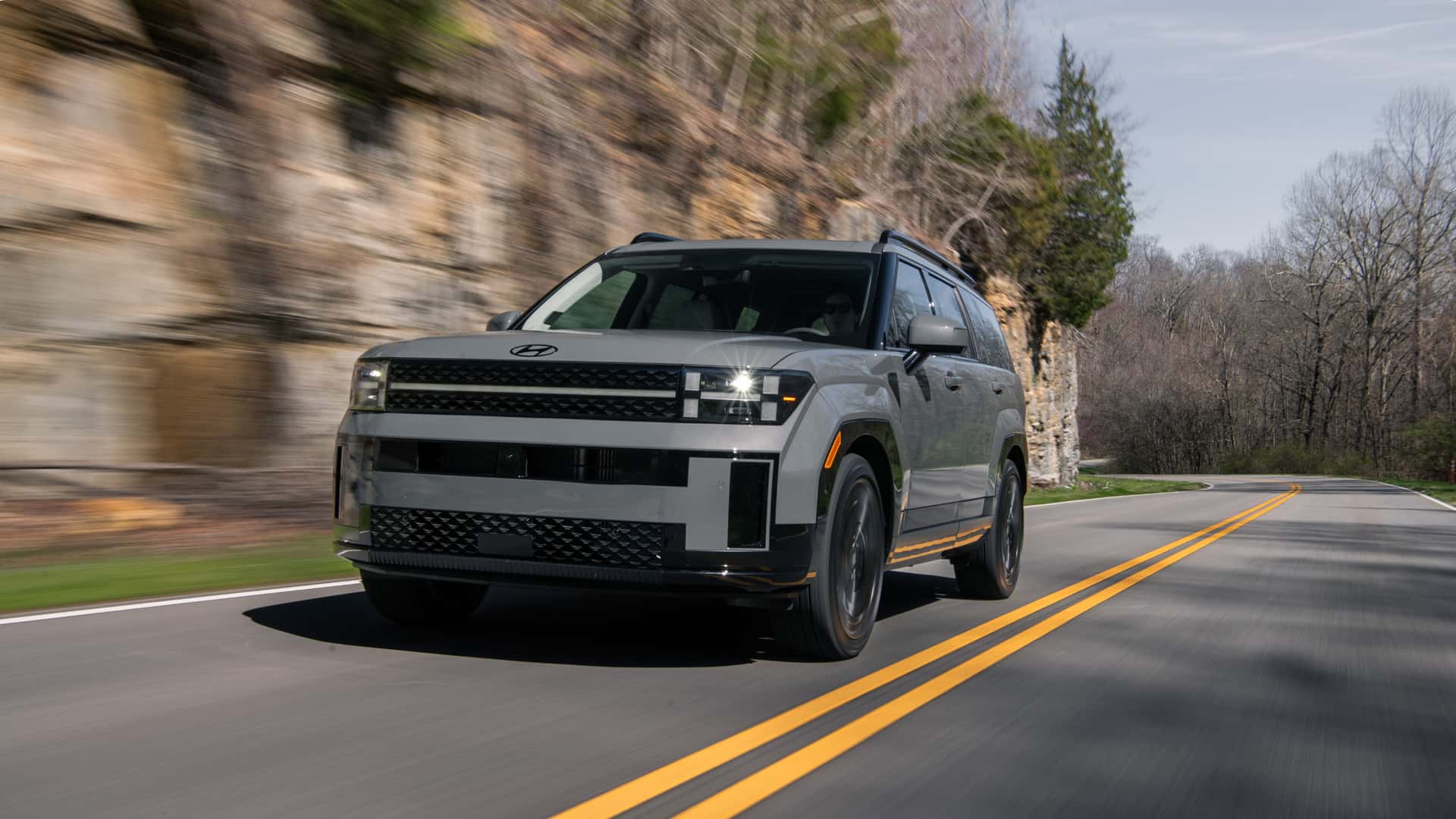
The 2026 Hyundai Santa Fe is a midsize sport utility vehicle designed with a combination of turbocharged performance, hybrid powertrain technology, configurable interior space, and advanced driver assistance systems. The vehicle incorporates modern mechanical engineering, digital connectivity features, and structural safety technologies that support daily driving and extended travel requirements. Multiple trim levels are available, including SE, SEL, XRT, Limited, and Calligraphy, with both gasoline and hybrid powertrains offered across the lineup.
This model uses Hyundai’s Smartstream® engine family and integrates turbocharging, direct fuel injection, and electronically controlled transmissions. The platform supports both front-wheel drive and Hyundai’s HTRAC all-wheel drive system. The design also includes a multi-link rear suspension, MacPherson® strut front suspension, and a unibody chassis built primarily from high-strength steel.
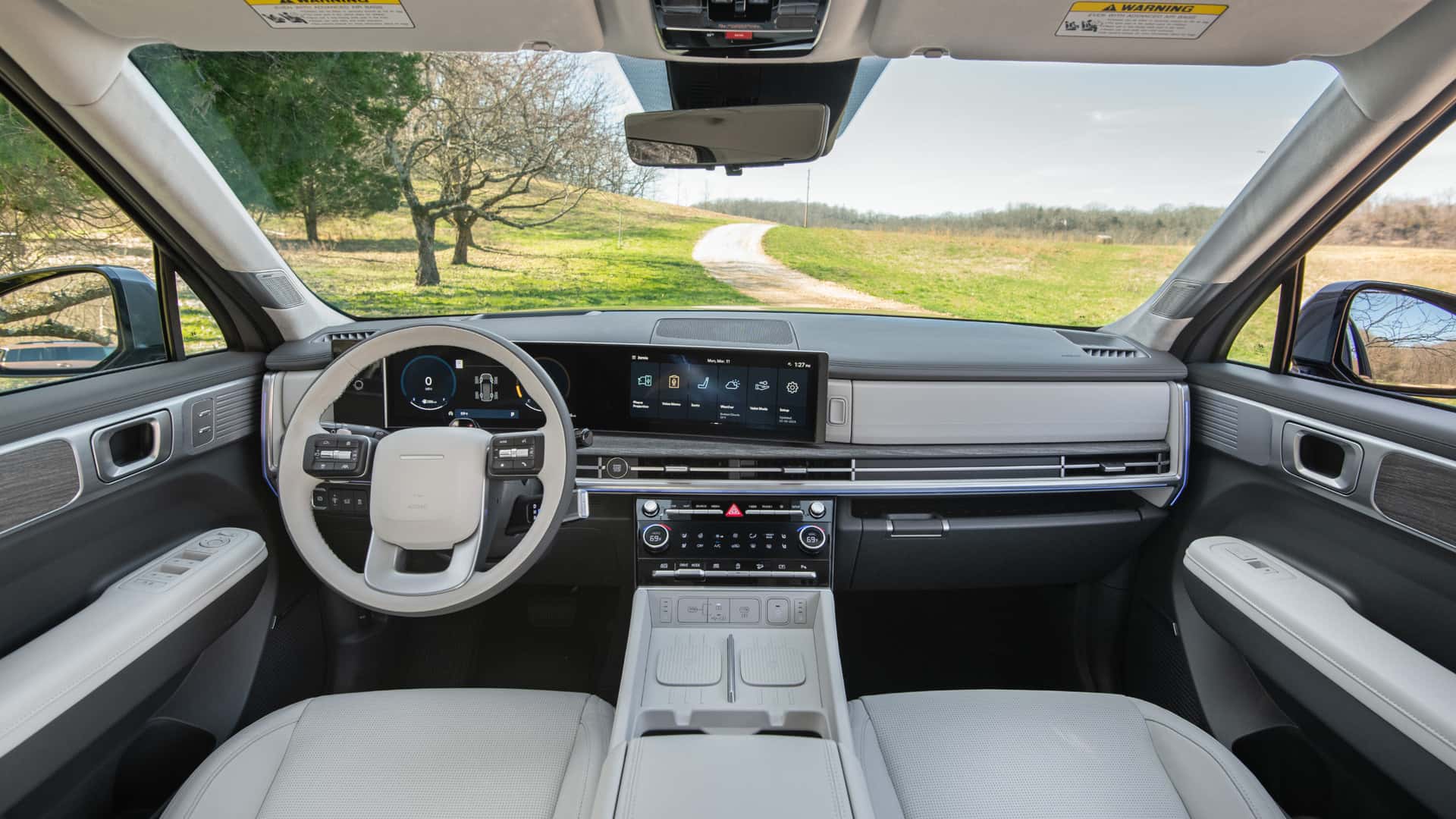
The interior layout supports up to three rows of seating and a variety of materials depending on trim configuration. The cabin integrates a digital instrument cluster, touchscreen infotainment system, connected vehicle technology, and several driver assistance features designed to support situational awareness and collision avoidance.
Turbocharged Engine Engineering and Hybrid System Configuration
The 2026 Hyundai Santa Fe offers two primary powertrain configurations. The first configuration uses the Smartstream® 2.5-liter turbocharged gasoline direct injection inline four-cylinder engine. This engine has a displacement of 2,497 cubic centimeters and produces 277 horsepower at 5,800 revolutions per minute. Peak torque output reaches 311 pound-feet at 4,000 revolutions per minute. The engine uses both gasoline direct injection and multiport injection to support efficient fuel atomization and combustion control. The block and cylinder head are constructed from aluminum to reduce weight while maintaining durability.
The turbocharged engine uses a compression ratio of 10.5 to 1 and includes Idle Stop and Go functionality for improved fuel efficiency during stationary operation. The intake system integrates turbocharging to increase airflow and improve torque output across the rev range. The recommended fuel type is regular unleaded gasoline. Exhaust output is managed through a single-tip exhaust configuration.
An alternative powertrain configuration combines a 1.6 liter turbocharged gasoline direct injection engine with an electric motor as part of the hybrid system. The gasoline engine produces 178 horsepower at 5,500 revolutions per minute and generates 195 pound-feet of torque across a wide range from 1,500 to 4,500 revolutions per minute. The hybrid system includes a permanent magnet synchronous electric motor capable of producing approximately 60 horsepower. The combined system output reaches 231 horsepower with a total system torque of 271 pound-feet.
The hybrid system uses a lithium-ion battery pack operating at a maximum voltage of 270 volts. Battery capacity is rated at 1.49 kilowatt-hours. This configuration supports cooperative power delivery between the gasoline engine and electric motor to assist acceleration and reduce fuel consumption during low-load driving conditions.
Transmission Systems and Drivetrain Control
The turbocharged gasoline engine pairs with an electronically controlled eight-speed automatic transmission. This transmission supports SHIFTRONIC® manual shift capability through steering wheel-mounted paddle shifters. Gear ratios are calibrated to balance acceleration performance and highway efficiency. The reverse gear ratio is 3.425 with a final drive ratio of 3.510.
Hybrid-equipped Hyundai Santa Fe models use a six-speed automatic transmission designed to manage both internal combustion and electric power delivery. The transmission integrates with the hybrid control system to determine optimal gear selection based on driving conditions and power demand.
The drivetrain architecture supports both front-wheel drive and Hyundai’s HTRAC all-wheel drive system. HTRAC actively adjusts torque distribution between the front and rear axles depending on selected drive mode and road conditions. Under standard driving conditions, the system may prioritize front-wheel power delivery. Torque distribution can vary from a front-dominant configuration to an even 50-to-50 split between the front and rear axles.
Drive Mode Select is located on the center console and allows the driver to choose between Comfort, Eco, Sport, and Smart modes. Additional traction modes include Snow and Sand or Mud on the XRT trim level. The system modifies throttle response, transmission shift patterns, and torque distribution to maintain traction and control across varying surfaces.
Chassis Construction, Suspension Design, and Steering Mechanics
The 2026 Hyundai Santa Fe uses a unibody chassis structure constructed primarily from high-strength steel. This structural configuration provides rigidity while maintaining a manageable curb weight.
The front suspension uses a MacPherson® strut configuration with coil springs and a stabilizer bar. Gas-pressurized shock absorbers with advanced valving manage vertical wheel movement and dampen road impacts. The rear suspension uses a multi-link independent system with separated springs and shock absorbers. This configuration supports improved wheel articulation and ride comfort during uneven road conditions.
Steering is controlled through a column-mounted, motor-driven power steering system with a rack and pinion design. The steering ratio is 13.7 with approximately 2.6 turns from lock to lock. The turning diameter measures approximately 37.9 feet from curb to curb. This setup allows predictable steering response and consistent control in both urban and highway environments.
Braking Systems and Dynamic Control Technologies
Braking performance is supported by ventilated disc brakes at the front and solid disc brakes at the rear. Both front and rear rotors measure approximately 12.8 inches in diameter. The braking system includes an anti-lock braking system with electronic brake force distribution across four channels and four sensors.
Additional dynamic control systems include electronic stability control, traction control, and vehicle stability management. Hillstart Assist Control prevents rollback when starting on an incline. Downhill Brake Control allows controlled descent during steep terrain conditions.
The vehicle also includes trailer sway control to assist stability during towing operations. An electric parking brake with automatic vehicle hold maintains the vehicle in a stationary position during traffic stops or when parked.
Exterior Lighting, Structural Design, and Functional Features
Exterior equipment on the 2026 Hyundai Santa Fe includes LED projector headlights with LED accent lighting. LED daytime running lights and LED taillights are standard across the model lineup. Automatic headlights activate based on surrounding light conditions. High Beam Assist adjusts headlight intensity automatically when oncoming vehicles are detected.
Wheel configurations vary by trim level. Base models use 18-inch alloy wheels with 235/60 R18 tires. The XRT trim uses 18-inch alloy wheels with 245/60 R18 Continental all-terrain tires designed for improved traction on loose surfaces. Higher trims use 20-inch alloy wheels with 255 45 R20 tires, while the Calligraphy trim uses 21-inch alloy wheels with 245 45 R21 tires.
Exterior glass includes solar control glass on the windshield and front door windows. Rear windows and quarter glass include privacy tint. Acoustic laminated glass is used on the windshield and front side windows to reduce cabin noise.
The vehicle includes roof rails with optional cross rails to support cargo carriers or recreational equipment. A hands-free smart liftgate with adjustable height settings allows convenient cargo access. Trailer prewiring is included across all trim levels.
Interior Layout, Seating Configurations, and Cabin Materials
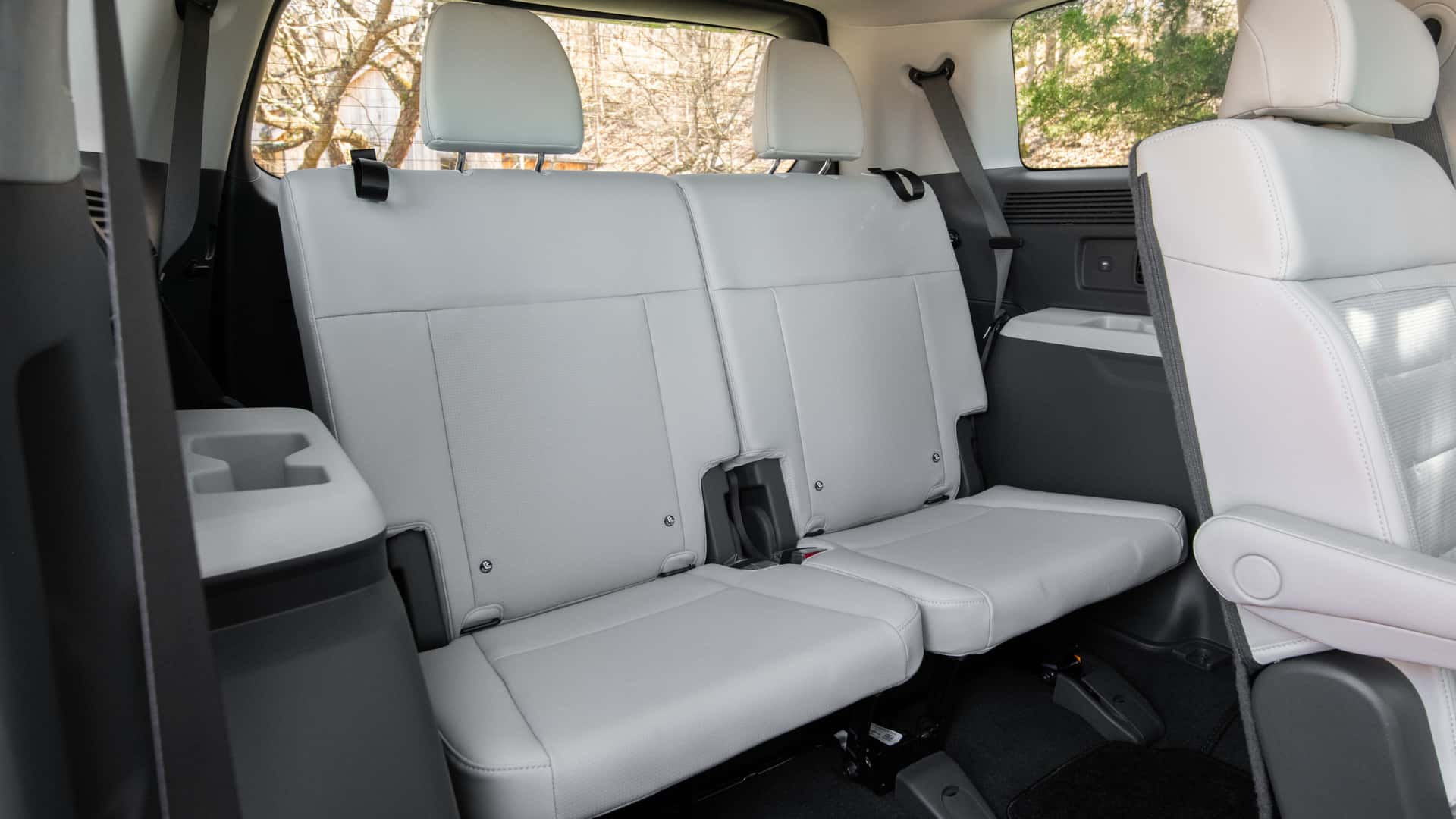
The interior of the 2026 Hyundai Santa Fe supports three rows of seating with a maximum seating capacity of seven passengers. Certain trim levels provide optional second-row captain seats, which reduce seating capacity to six while providing increased individual passenger space.
Entry-level models include stain-resistant cloth seating surfaces. Mid-level trims include H-Tex® leatherette seating materials. Higher trims use leather-trimmed seats, and the Calligraphy trim includes Nappa leather upholstery.
Front seat adjustments vary depending on trim level. The driver’s seat may include six-way manual adjustment or eight-way power adjustment with lumbar support. Higher trims add a driver relaxation seat with a single-touch adjustment function. Heated front seats are available on multiple trims, while ventilated front seats appear on upper trims.
The second row uses a 60/40 split folding design with adjustable head restraints and reclining capability. Heated second-row seats are available on certain trims. The third row includes a 50/50 split folding configuration with integrated room lighting.
Cargo management includes an underfloor storage tray and remote release functionality for folding second-row seats. Maximum cargo capacity behind the first row reaches 79.6 cubic feet.
Infotainment Systems and Digital Connectivity
The 2026 Hyundai Santa Fe integrates a digital infotainment platform centered on a 12.3-inch touchscreen display. Entry trims include a display audio system with AM/FM and HD Radio™ capabilities. Higher trims include integrated navigation and traffic information services.
Wireless Apple CarPlay® and Android Auto™ connectivity are standard across the lineup. A wireless charging pad is available for compatible devices. Multiple high-power USB charging ports are located throughout the cabin, including ports in the front, second row, and third row.
Audio systems vary by trim level. Standard systems include multiple speaker configurations integrated with the infotainment display. Higher trims include a Bose® premium audio system with twelve speakers positioned throughout the cabin.
Additional digital features include dynamic voice recognition, a Wi-Fi hotspot, and Hyundai Pay for in-vehicle digital payment capability. The Surround View Monitor provides a multi-angle view around the vehicle during parking operations. A heads-up display projects key driving information onto the windshield on higher trims.
Hyundai Bluelink® connected vehicle services are integrated across all trims. Over-the-air update capability allows vehicle software updates without physical service visits.
Comprehensive Safety and Driver Assistance Technologies
The 2026 Hyundai Santa Fe includes a wide array of active and passive safety systems. The vehicle is equipped with multiple airbags, including driver and passenger front airbags, a driver knee airbag, front seat side airbags, second-row side airbags, and full-length side curtain airbags.
Seatbelt systems include pretensioners and load limiters for the front seats. Lower anchors and upper tether anchors support child safety seat installation.
Driver assistance technology includes Forward Collision Avoidance Assist with detection for pedestrians, cyclists, and vehicles turning at intersections. Lane Keeping Assist helps maintain lane positioning, while Lane Following Assist provides steering support during highway driving.
Blind Spot Collision Avoidance Warning monitors adjacent lanes and alerts the driver of vehicles in the blind spot region. Rear Cross Traffic Collision Avoidance Assist monitors traffic approaching from the sides while reversing.
Advanced systems on higher trims include Blind Spot Collision Avoidance Assist, Parking Collision Avoidance Assist, and Remote Smart Parking Assist, which allows controlled parking maneuvers from outside the vehicle. Highway Driving Assist technology supports speed control and lane centering during highway travel.
Additional safety systems include Driver Attention Warning, Safe Exit Assist, and a tire pressure monitoring system with individual tire indicators.
Visit ALM Hyundai of Athens for a Test Ride
Drivers interested in the technical capabilities of the 2026 Hyundai Santa Fe can experience the vehicle through a scheduled test drive. A visit to ALM Hyundai of Athens near Buford, GA, provides an opportunity to examine the turbocharged and hybrid powertrain systems, explore the digital infotainment interface, and evaluate the interior seating configuration. During a test drive, drivers can observe the transmission response, steering characteristics, and the operation of driver-assistance systems. The test drive also allows examination of the suspension behavior and ride stability across different road conditions. Contact our dealership to arrange a convenient appointment and experience the mechanical systems and technology features of the 2026 Hyundai Santa Fe in person.