

2026 Hyundai Palisade near Buford, GA
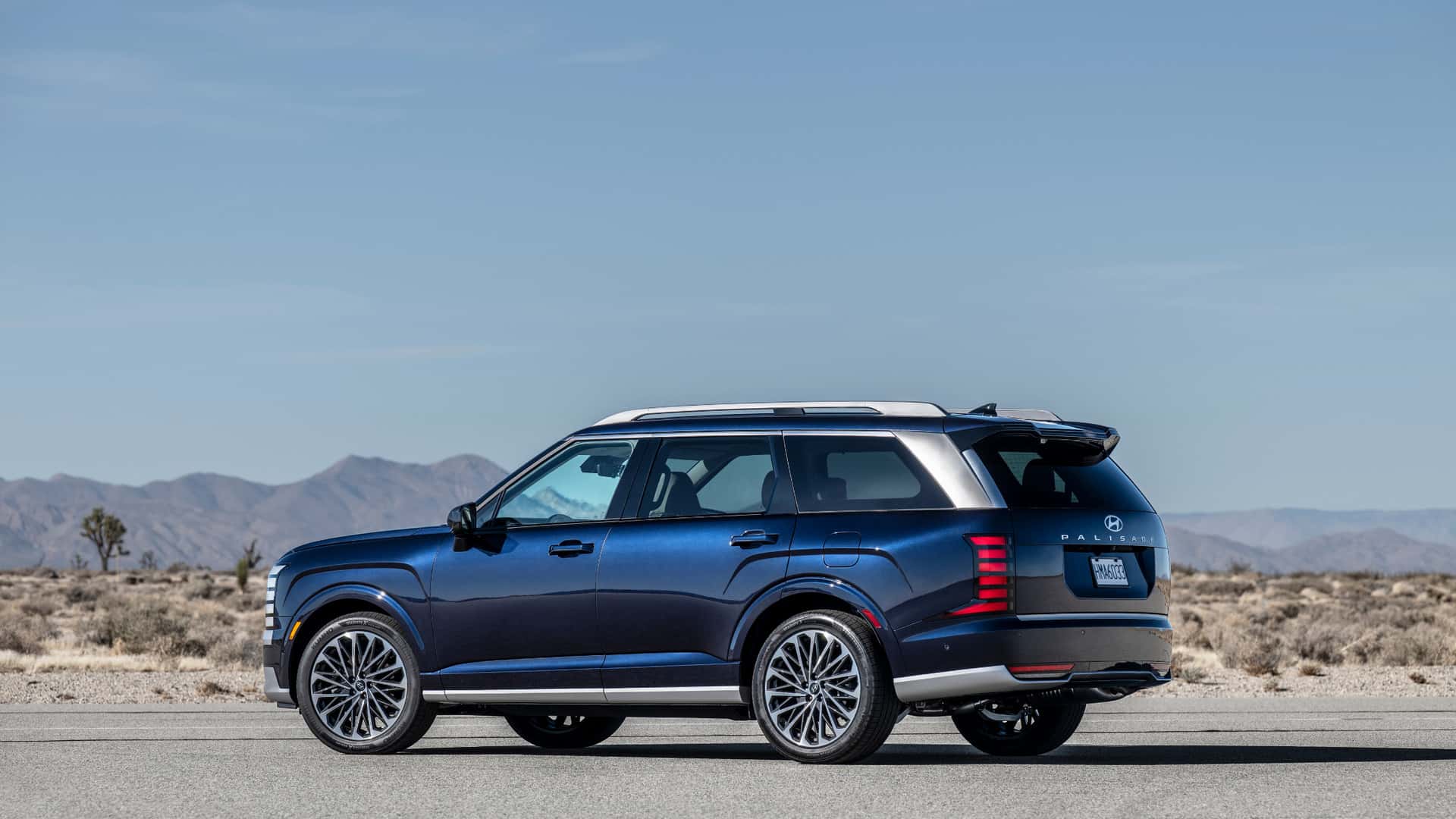
The 2026 Hyundai Palisade is a three-row sport utility vehicle engineered with a combination of advanced powertrain options, modern vehicle control systems, and integrated digital technology. Hyundai designed this model using a unibody construction composed primarily of high-strength steel, supporting structural rigidity and consistent handling characteristics. The vehicle incorporates a range of drivetrain configurations, suspension technologies, and driver assistance systems intended to support passenger transport, cargo capacity, and towing capability.
Two engine configurations are available, including a naturally aspirated V6 gasoline engine and a turbocharged hybrid system. Both options integrate with electronically controlled transmissions and selectable drive modes that adjust vehicle performance characteristics. The 2026 Hyundai Palisade also includes a comprehensive safety framework composed of passive protection structures and advanced driver assistance technologies. The vehicle combines these engineering elements with a spacious interior layout designed to support seven or eight passengers while maintaining multiple cargo configurations.
Engine Systems and Powertrain Architecture
The 2026 Hyundai Palisade offers two distinct powertrain systems. The primary gasoline engine is a 3.5-liter MPI and gasoline direct injection DOHC 24-valve V6 engine with a displacement of 3,470 cubic centimeters. This power unit generates 287 horsepower at 6,400 revolutions per minute and produces 260 pound-feet of torque at 5,000 revolutions per minute. The engine utilizes an aluminum block and cylinder head construction and operates with a compression ratio of 12.3 to 1. Bore and stroke measurements are 92.0 millimeters and 87.0 millimeters, respectively. The fuel system uses gasoline direct injection, and the recommended fuel type is regular unleaded gasoline. Idle Stop and Go technology is included to reduce fuel consumption during stationary conditions.
The second powertrain option is a hybrid configuration based on a 2.5-liter turbocharged gasoline direct injection DOHC 16-valve inline four-cylinder engine with a displacement of 2,497 cubic centimeters. This engine produces 258 horsepower at 5,800 revolutions per minute and 260 pound-feet of torque across a wide range from 1,800 to 4,500 revolutions per minute. The hybrid system combines the gasoline engine with permanent magnet synchronous electric motors to deliver a total system output of 329 horsepower and 339 pound-feet of torque.
The hybrid system integrates two electric motors referred to as P1 and P2. The P1 motor produces 17 horsepower and 75 pound-feet of torque. The P2 motor generates 72 horsepower and approximately 195 pound-feet of torque. Electrical power is supplied by a lithium-ion battery pack operating at 300 volts with a capacity of 1.65 kilowatt-hours and a power output of 64 kilowatts.
Transmission configurations vary according to the selected powertrain. The V6 engine pairs with an eight-speed automatic transmission identified as the A8LF1. The hybrid powertrain uses a six-speed automatic transmission integrated with dual electric motors known as the TMED-II system. Both transmissions include shift-by-wire gear selection and steering wheel-mounted paddle shifters to allow manual gear control.
Drive configurations include standard front-wheel drive and an optional HTRAC all-wheel-drive system. The AWD system is active on demand and adjusts torque distribution between the front and rear axles. Drivers can select between several driving modes, including Eco, Sport, and My Drive. Vehicles equipped with all-wheel drive also provide terrain modes designed for mud, sand, and snow conditions. A dedicated tow mode is included to support trailer stability during hauling operations.
Suspension Engineering and Handling Systems
The chassis design of the 2026 Hyundai Palisade incorporates a front MacPherson® strut suspension system with coil springs and a stabilizer bar. This configuration provides controlled wheel movement and structural simplicity for improved ride stability. The rear suspension uses a multi-link independent layout with separated springs and shock absorbers.
A self-leveling rear suspension system is included to maintain vehicle balance when carrying passengers or cargo. The body structure is constructed using a monocoque unibody platform with high-strength steel components.
Steering is managed through a column-mounted Motor Driven Power Steering system that uses a rack-and-pinion mechanism. The standard steering ratio is 14.3 to 1. The XRT PRO configuration uses a slightly faster ratio of 13.3 to 1. The steering system requires approximately 2.8 turns from lock to lock. The turning diameter measured curb to curb is approximately 39.2 feet, which aids maneuverability in confined areas.
The braking system uses ventilated front disc brakes measuring 345 millimeters by 30 millimeters and solid rear disc brakes measuring 325 millimeters by 20 millimeters. The system incorporates a four-wheel anti-lock braking system with electronic brake force distribution. Brake assist technology supports emergency braking situations. Additional stability systems include hill start assist control and downhill brake control, which help maintain control on steep inclines or declines. An electronic parking brake with auto-vehicle hold functionality is included.
Exterior Construction and Functional Design Elements
The exterior design of the 2026 Hyundai Palisade integrates aerodynamic and functional components intended to support passenger transport and cargo versatility. The vehicle uses a wheelbase of 116.9 inches and an overall length of approximately 199.2 inches, depending on trim level. The overall width measures 78.0 inches, and the overall height measures approximately 69.5 inches.
Ground clearance is approximately 7.4 inches for most trims and increases to about 8.4 inches on the XRT PRO variant. Approach and departure angles measure approximately 18.6 degrees and 21.1 degrees for standard models, while the XRT PRO provides improved angles of 20.5 degrees and 22.4 degrees. The aerodynamic coefficient of drag is approximately 0.31 for standard trims and 0.35 for the XRT PRO configuration.
Wheel options range from 18-inch alloy wheels fitted with 235/65 R18 tires to 21-inch alloy wheels fitted with 265/45 R21 tires. Certain trims include all-terrain tires sized 255/60R18 designed for off-road-oriented driving conditions.
Exterior lighting systems include LED projector headlights, LED daytime running lights, LED rear combination lamps, and a roof-mounted center high-mount stop lamp. Automatic headlight control and high beam assist are integrated to improve nighttime visibility.
Additional exterior components include power side mirrors with heating capability and integrated blind-spot collision warning indicators. Certain trims provide power folding mirrors with electrochromic auto-dimming functionality. Acoustic glass is used for the windshield and selected side windows to reduce external noise intrusion. Solar control front glass and privacy glass for rear passengers are also included.
The 2026 Hyundai Palisade incorporates roof rails capable of supporting a load capacity of approximately 220 pounds. A hands-free smart liftgate with adjustable opening height is available to assist with cargo loading. A dual-pane sunroof is available on higher trims to provide additional natural light within the cabin.
Interior Configuration and Seating Engineering
The interior layout of the 2026 Hyundai Palisade supports either seven or eight occupants, depending on the selected trim and second-row seating configuration. Entry-level trims use cloth upholstery, while mid-level trims provide H-Tex® leatherette seating surfaces. Higher trims incorporate leather-trimmed seats or Premium Nappa leather upholstery.
Front seats include multiple adjustment mechanisms. Basic trims feature a six-way manually adjustable driver seat and passenger seat. Higher trims include eight-way power adjustable front seats with two-way or four-way lumbar support. Heated front seats with adjustable intensity settings are available across multiple trims. Ventilated front seats are included in higher trim levels.
The top trim introduces additional seat functions, including Ergo Motion technology, leg cushion extension, and driver memory settings. These systems allow seat positions to adjust automatically according to stored driver preferences.
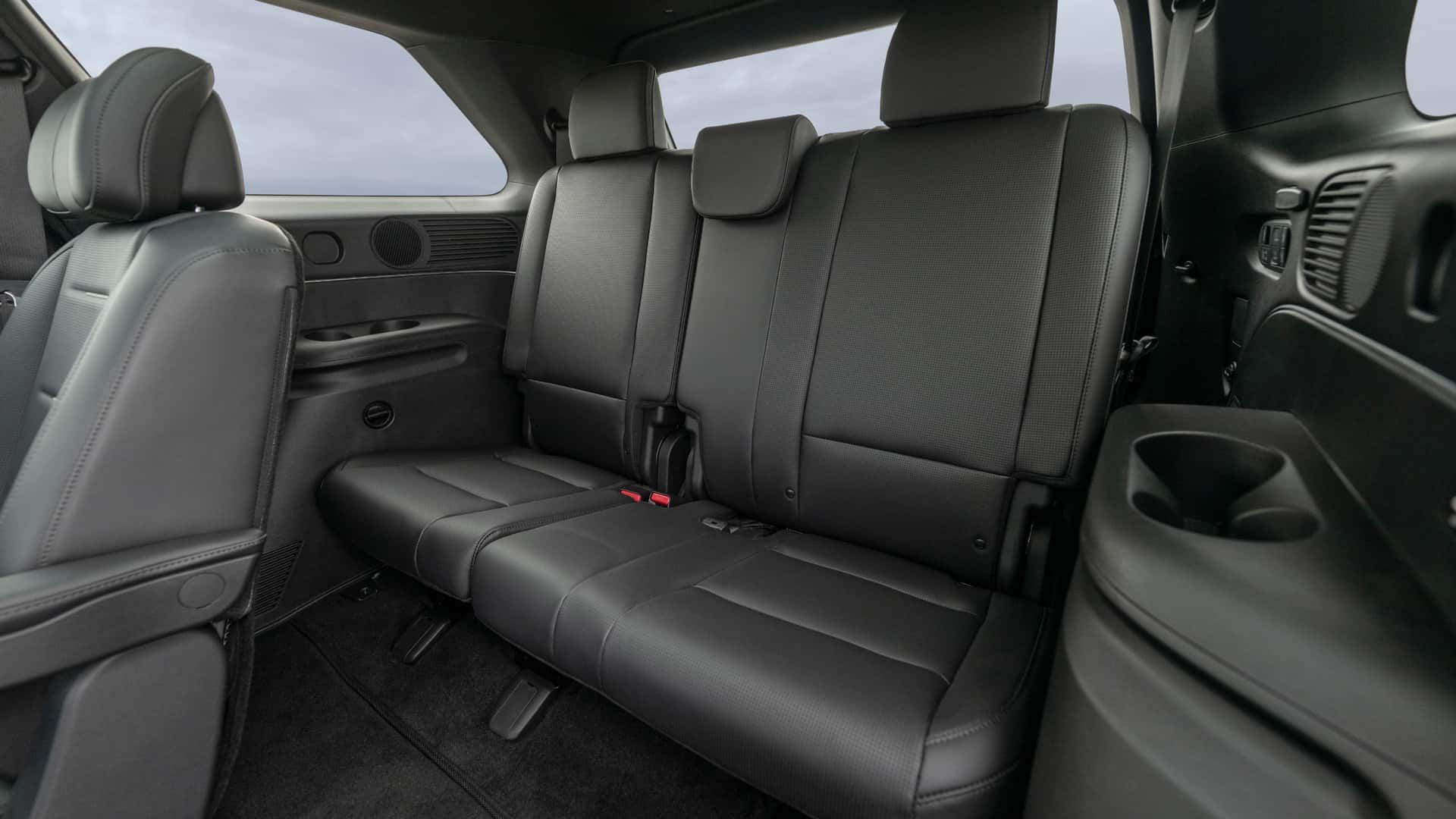
The second row includes sliding seat rails with electric cargo area release mechanisms to simplify seat folding. Bench seating configurations support eight passengers. The captain’s chair arrangements reduce capacity to seven passengers and include optional heating and ventilation features. Power-adjustable second-row seats are available in higher trims.
The third row uses a 60/40 split folding seat design with dedicated ingress and egress handles. Higher trims incorporate power folding, reclining, sliding, and heated third-row seats.
Cargo capacity behind the third row measures approximately 19.1 cubic feet. When the third-row seats are folded, cargo capacity increases to about 46.3 cubic feet behind the second row. Folding both rear rows expands the available cargo space to approximately 86.7 cubic feet behind the front seats.
Interior climate control is managed through a three-zone automatic system with automatic defogging capability. Separate controls are provided for second-row passengers. Air vents extend to both rear seating rows to distribute airflow throughout the cabin.
Digital Displays, Connectivity, and Infotainment Systems
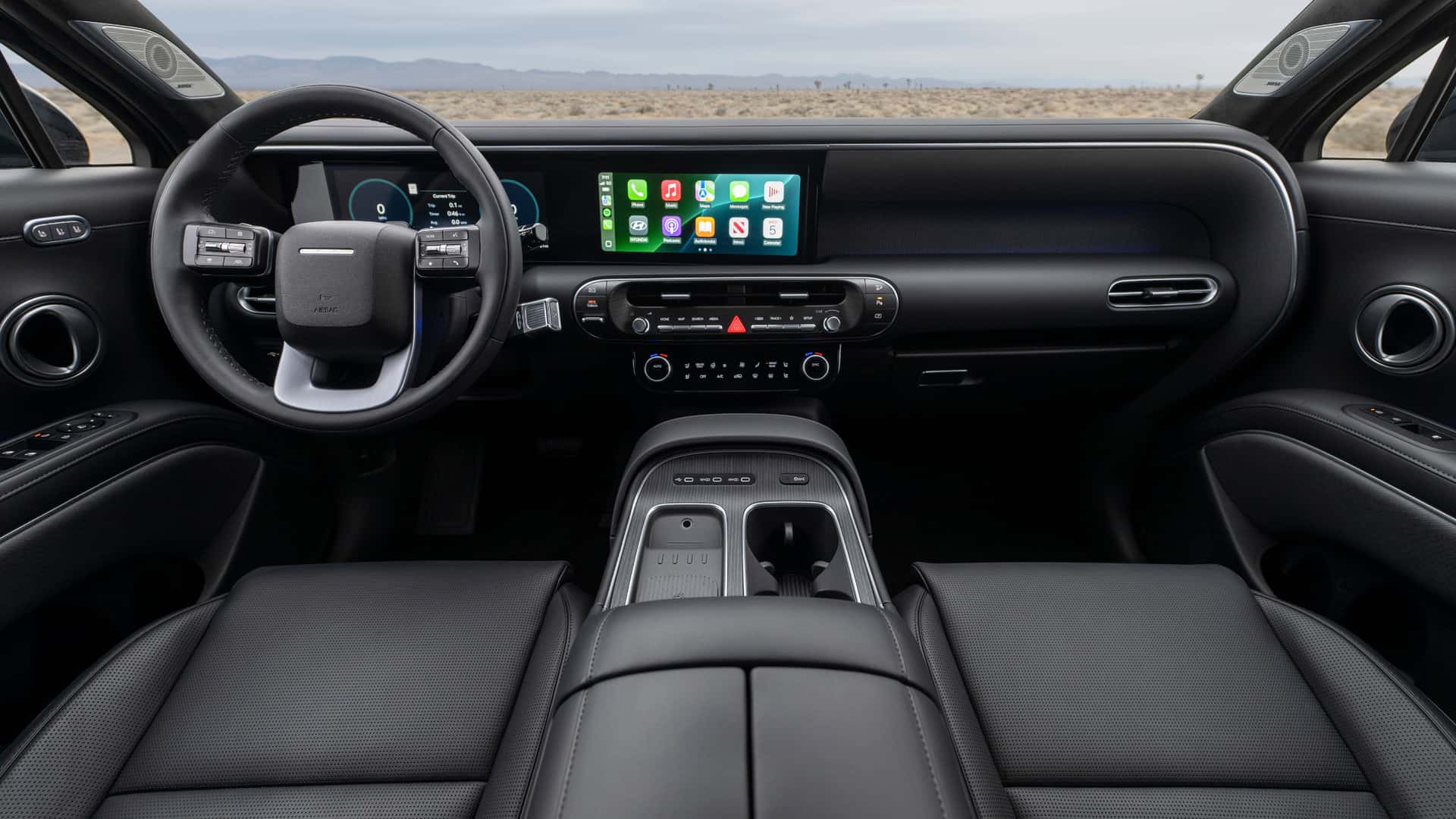
The technology interface of the 2026 Hyundai Palisade centers around a 12.3-inch color touchscreen display with integrated navigation capability. The system supports wireless Apple CarPlay® and Android Auto™ smartphone connectivity. HD Radio™ and SiriusXM® satellite radio services are integrated within the infotainment interface.
Audio reproduction can be enhanced through an available Bose® premium audio system with fourteen speakers. This system incorporates Centerpoint and SoundTrue technology to optimize audio distribution within the cabin.
The vehicle includes dynamic voice recognition that allows drivers to control certain functions through spoken commands. Passenger Talk technology functions as an intercom system, transmitting the driver’s voice through the rear speakers. Rear Seat Quiet Mode reduces audio output in the rear seating areas to support passenger comfort.
A 12.3-inch digital instrument cluster is available to present driving information in a configurable display format. The cluster integrates with vehicle warning indicators, navigation prompts, and driver assistance alerts. A 12-inch color head-up display is included on the highest trim level, projecting key driving information onto the windshield within the driver’s line of sight.
Additional technology systems include wireless device charging rated at 15 watts for compatible devices. The vehicle supports multiple USB-C charging ports distributed across all seating rows. Connectivity services include the Bluelink® connected car platform with integrated Wi-Fi hotspot functionality and over-the-air software updates. A built-in dashcam capable of recording front and rear video is also included on the top trim.
Integrated Safety and Driver Assistance Technologies
The safety structure of the 2026 Hyundai Palisade includes a comprehensive airbag system. The vehicle uses advanced front airbags with an occupant classification system that monitors seat weight and position. A front center airbag is installed between the driver and front passenger seats. Additional airbags include a driver knee airbag, front and second-row side impact airbags, and side curtain airbags that extend across all seating rows with rollover sensors.
Seatbelt systems include pretensioners and load limiters for the front and rear outboard seating positions. LATCH anchors and tether points are installed in the second and third rows to support child-seat installation.
Active safety systems include electronic stability control with traction control and vehicle stability management. Tire pressure monitoring with individual wheel sensors is included to monitor tire conditions.
Driver assistance technologies include blind spot collision warning, rear cross traffic collision avoidance assist, and parking distance warning sensors for forward and reverse detection. Certain trims add side parking sensors and reverse parking collision avoidance assist.
Forward collision avoidance assist can detect vehicles, pedestrians, and cyclists and can initiate automatic braking if a collision risk is detected. Higher trims expand this system to include junction turning, lane change detection, lane following support, and evasive steering assistance.
Lane keeping assist and lane following assist work together to help maintain vehicle positioning within marked road lanes. Driver attention warning monitors driver behavior patterns and provides alerts if signs of fatigue are detected. Forward-attention warning monitors the driver’s focus on the road ahead. Safe exit assist alerts rear passengers if approaching traffic is detected when opening the doors.
Highway Driving Assist integrates adaptive cruise control with lane-centering capability. The most advanced version, Highway Driving Assist II, adds expanded automation functions, including lane change support. Trailer sway control is integrated to help stabilize the vehicle when towing.
Schedule a Test Ride Today
Drivers who want to examine the engineering and technical systems of the 2026 Hyundai Palisade can schedule a test drive at ALM Hyundai of Athens near Buford, GA. This visit allows drivers to evaluate the V6 and hybrid powertrain systems, observe the digital display technology, and review the driver assistance features during controlled driving conditions. Our team can demonstrate the drivetrain modes, connectivity systems, and seating configurations available within the vehicle. Experiencing the suspension behavior, steering response, and cabin technology provides a clear understanding of the vehicle’s mechanical and electronic design. Scheduling a test drive offers an opportunity to analyze the technical capabilities and vehicle systems in a practical driving environment.