

2026 Hyundai Kona near Loganville, GA
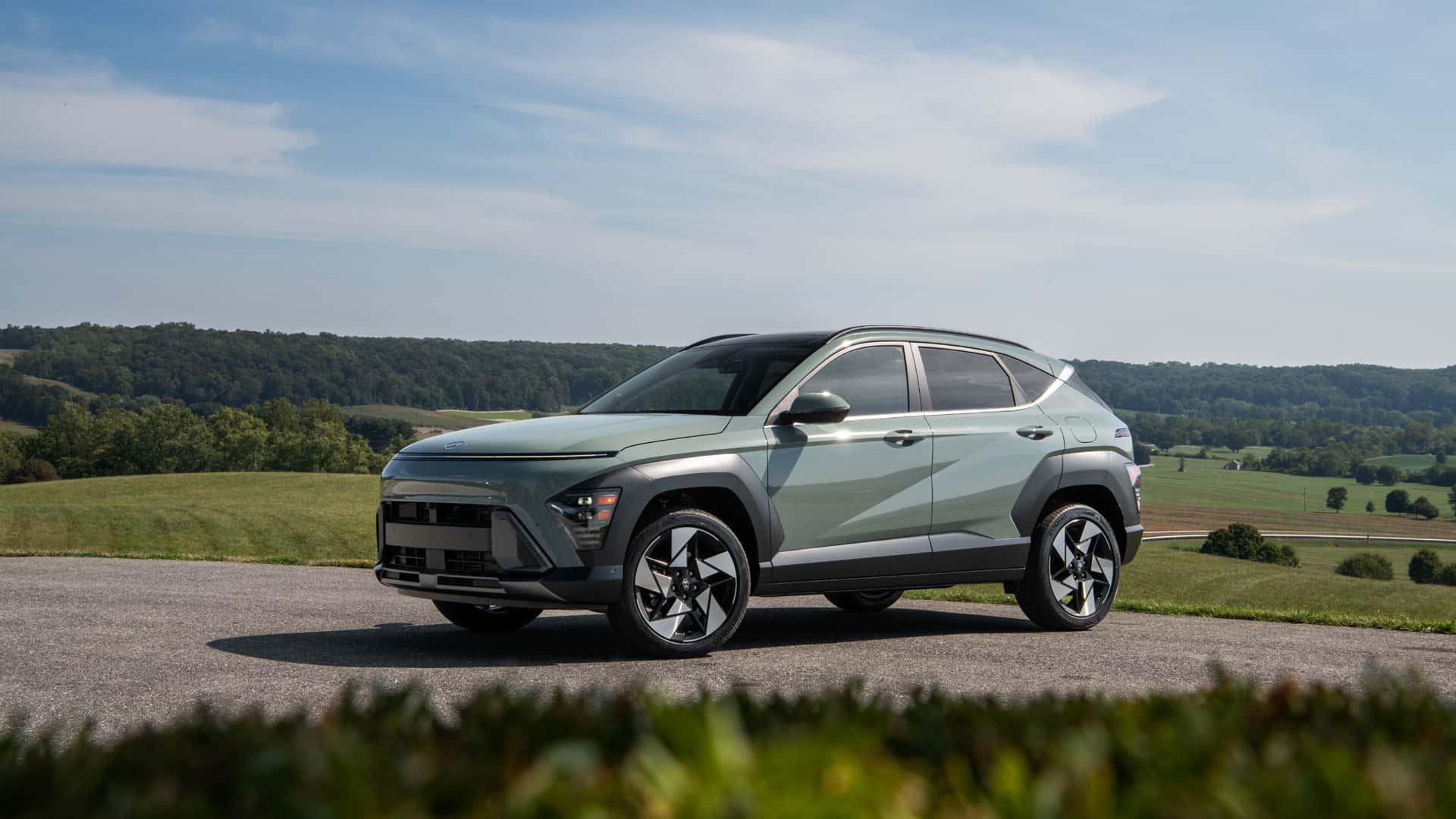
The 2026 Hyundai Kona is engineered as a compact SUV that integrates a rigid unibody structure with high-tensile steel construction. This platform supports controlled handling characteristics, efficient space utilization, and structural durability. The vehicle accommodates five passengers and provides a total interior volume of up to 126.7 cubic feet, including a passenger volume of 101.2 cubic feet. Cargo capacity measures 25.5 cubic feet with rear seats upright and expands to 63.7 cubic feet when the rear seats are folded.
Engine Architecture and Output Specifications
The 2026 Hyundai Kona offers two internal combustion engine configurations with distinct performance characteristics. The standard engine is a 2.0-liter MPI Atkinson-cycle inline four-cylinder unit with a displacement of 1,999 cc. This engine produces 147 horsepower at 6,200 rpm and 132 lb-ft of torque at 4,500 rpm. It incorporates Dual Continuously Variable Valve Timing and a 12.5 to 1 compression ratio. The fuel delivery system uses multi-point injection, and the engine is designed to operate on regular unleaded fuel.
The available engine is a 1.6-liter turbocharged GDI inline four-cylinder unit with a displacement of 1,598 cc. This configuration produces 190 horsepower at 6,000 rpm and 195 lb-ft of torque across a range of 1,700 to 4,500 rpm. The turbocharged system enhances low-end torque delivery and maintains consistent output across a broader rpm band. This engine uses gasoline direct injection and has a compression ratio of 10.0 to 1.
Both engines utilize aluminum block and head construction to reduce overall weight. Emissions systems meet SULEV 30 standards and incorporate WCC and UCC technologies. Exhaust configurations use a single-tip design across both engine options.
Transmission Systems and Drive Configurations
The 2.0-liter engine pairs with an Intelligent Variable Transmission that manages power delivery through a continuously variable system designed to simulate stepped gear transitions. This transmission includes a shift-by-cable system with SHIFTRONIC® manual shift capability.
The 1.6-liter turbocharged engine is paired with an 8-speed automatic transmission that uses a torque converter and shift-by-wire technology. This configuration includes paddle shifters for manual gear selection and optimized gear ratios for acceleration and highway efficiency.
Front-wheel drive is standard across all trims, while an active on-demand all-wheel drive system is available. The all-wheel drive system automatically distributes torque between the front and rear axles based on traction requirements. Drive Mode Select is included with center-console controls. Front-wheel drive models provide Normal and Sport modes, while all-wheel drive models add a Snow mode to improve traction in low-grip conditions.
Suspension Geometry and Steering Calibration
The front suspension uses a MacPherson® strut design with coil springs and a stabilizer bar. This configuration supports controlled vertical movement and directional stability. The rear suspension varies by drivetrain. Front-wheel drive models use a coupled torsion beam axle, while all-wheel drive models incorporate a multi-link rear suspension for improved articulation and handling precision.
Gas-pressurized shock absorbers are used at all four corners to maintain consistent damping performance. The steering system is a column-mounted motor-driven power steering unit with an overall ratio of 13.6 and a lock-to-lock range of 2.5 turns. The turning diameter measures 34.8 feet, supporting maneuverability in confined environments.
Braking Systems and Stability Control
The braking system uses four-wheel disc brakes with ventilated front discs measuring up to 12.0 inches and solid rear discs measuring 11.2 inches. The system includes Anti-lock Braking System functionality with four channels and four sensors, along with Electronic Brake-force Distribution for optimized braking force allocation.
Additional control systems include Hillstart Assist Control, which prevents rollback on inclines, and Downhill Brake Control, which regulates speed on steep descents. The vehicle also integrates Electronic Stability Control, Traction Control System, and Vehicle Stability Management to maintain directional control during dynamic driving conditions. The parking brake is electronically operated.
Exterior Systems and Aerodynamic Efficiency
The exterior structure integrates functional aerodynamic features such as active grille shutters, which regulate airflow to improve efficiency and engine cooling. The vehicle achieves a coefficient of drag of 0.302. Exterior lighting systems include LED projector headlights, LED daytime running lights, LED taillights, and an LED center high-mount stop lamp. High Beam Assist is standard and automatically adjusts headlight intensity based on oncoming traffic conditions.
Wheel configurations include 17-inch, 18-inch, and 19-inch alloy designs. Tire specifications vary by wheel size, with wider tire profiles on larger wheels to enhance grip. Ground clearance ranges from 6.7 inches on front-wheel drive models to up to 8.3 inches on all-wheel drive configurations.
Additional exterior features include heated side mirrors with integrated turn signal indicators, privacy glass for rear passengers, and roof rails with a maximum load capacity of 220 pounds. Available features include a power tilt-and-slide sunroof and a hands-free smart liftgate with automatic opening functionality.
Interior Configuration and Functional Layout
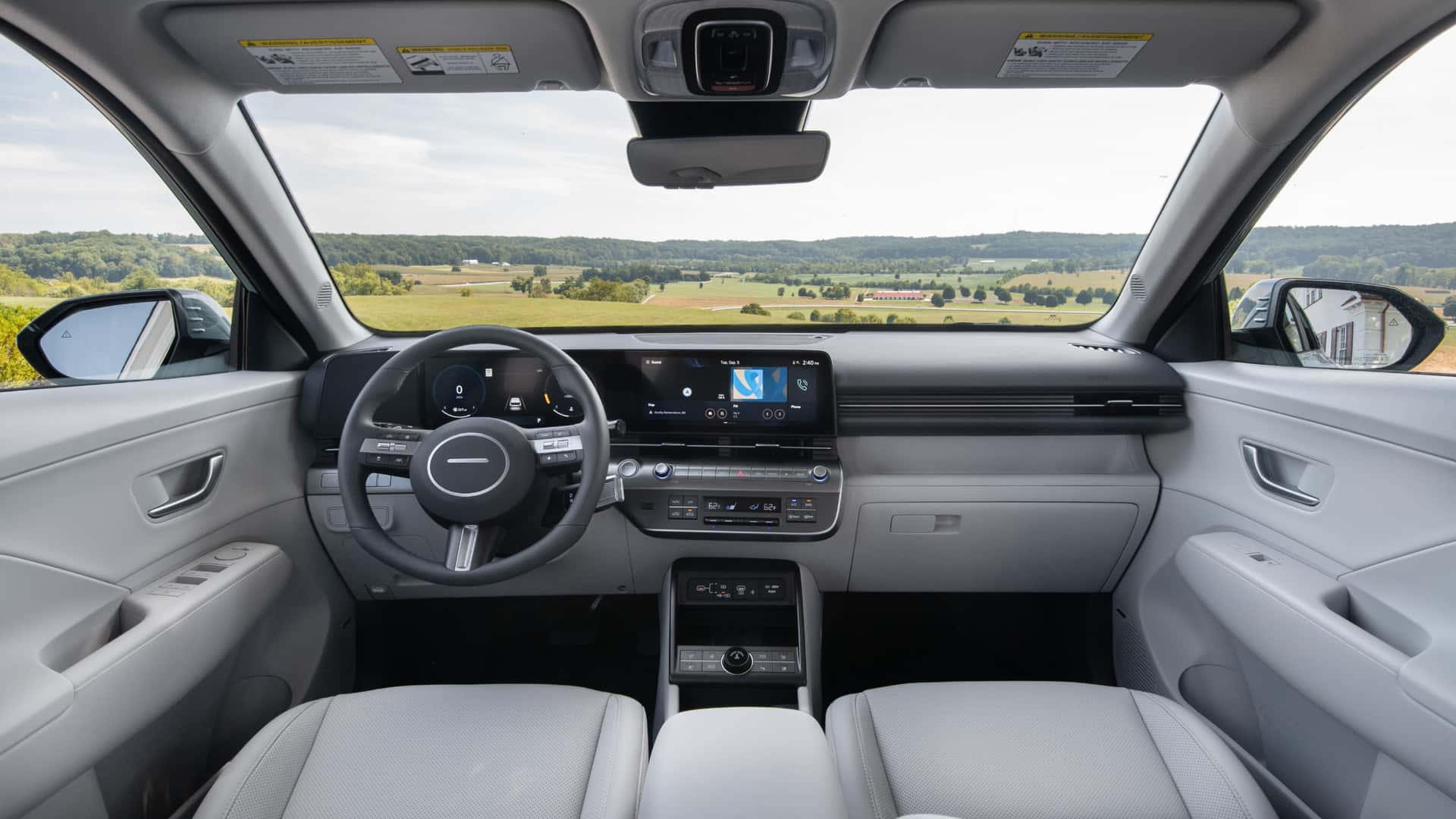
The interior layout is designed to support both occupant comfort and cargo flexibility. Seating capacity is five, with cloth seating surfaces standard and H-Tex® trimmed seats available on higher trims. The driver’s seat can be configured as a 6-way manual or an 8-way power-adjustable unit with 2-way lumbar support. Heated and ventilated front seats are available, along with adjustable head restraints across all seating positions.
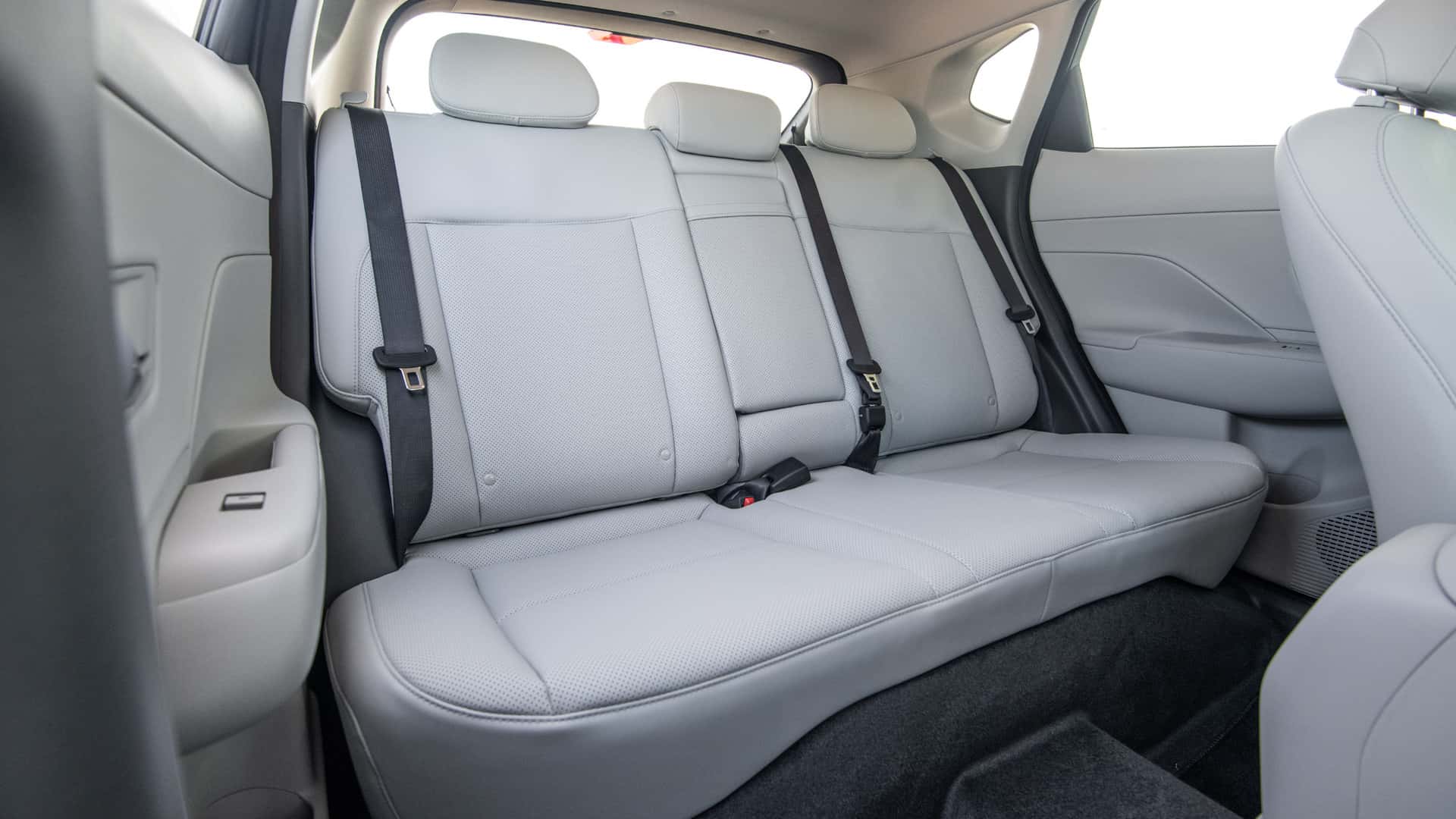
Rear seating includes a 60/40 split-folding seatback with a reclining function. The cargo area features a dual-level floor design, allowing for adjustable storage configurations. Interior dimensions provide 41.7 inches of front legroom and 38.2 inches of rear legroom, along with balanced headroom and shoulder room measurements across both rows.
Climate control systems include dual automatic temperature control with an automatic defogging function. Rear air vents and heater ducts support consistent airflow distribution. A cabin air filter and rear window defroster with timer functionality are included.
Digital Displays and Infotainment Systems
The 2026 Hyundai Kona integrates a dual-display configuration with a 12.3-inch touchscreen infotainment system and an available 12.3-inch digital instrument cluster. The infotainment system supports AM, FM, SiriusXM®, and HD Radio™ functionality. Wireless Apple CarPlay® and Android Auto™ compatibility are included, allowing smartphone integration without physical connections.
Audio systems include a standard six-speaker configuration and an available Bose® premium audio system with eight speakers and an external amplifier. Connectivity is supported through multiple USB-C ports in both front and rear seating areas, along with available wireless device charging.
The system also includes a rearview monitor with parking guidance as standard, while higher trims offer a surround view monitor for expanded visibility. Additional digital features include Hyundai Digital Key 2 Touch with NFC capability, enabling smartphone-based vehicle access.
Bluelink® connected services are integrated across all trims, providing remote access and vehicle monitoring functions. Over-the-air software update capability ensures system updates can be applied without physical service visits. An available Wi-Fi hotspot supports in-vehicle connectivity for multiple devices.
Driver Assistance and Safety Integration
The 2026 Hyundai Kona incorporates a comprehensive set of safety systems designed to assist the driver and protect occupants. The passive safety structure includes advanced front airbags, side-impact airbags, and side curtain airbags with rollover sensors. Seatbelt systems include pretensioners, load limiters, and adjustable anchors, along with rear LATCH anchors for child seat installation.
Active safety systems include Forward Collision-Avoidance Assist with pedestrian and cyclist detection, Lane Keeping Assist, and Lane Following Assist. Blind-Spot Collision Avoidance Warning and Rear Cross-Traffic Collision Avoidance Assist provide monitoring of adjacent lanes and rear traffic conditions.
Additional driver assistance features include Driver Attention Warning, Safe Exit Warning, and Rear Occupant Alert. Intelligent Speed Limit Assist provides speed limit recognition and alerts. High Beam Assist adjusts headlight output automatically.
Higher trim levels include Highway Driving Assist, which combines adaptive cruise control with lane-centering functions. Remote Smart Parking Assist enables the vehicle to maneuver into or out of parking spaces while controlled externally. A Blind-Spot View Monitor displays live camera feeds in the instrument cluster during lane changes.
Dimensions, Capacity, and Structural Parameters
The 2026 Hyundai Kona maintains compact exterior dimensions while supporting functional interior space. The overall width is 71.9 inches, and height varies depending on roof rail configuration. Tread width differs based on wheel size and drivetrain, with wider measurements on all-wheel drive models.
Ground clearance varies between configurations, with higher values on all-wheel drive models to support operation on uneven surfaces. The vehicle uses a fuel tank capacity of 12.4 gallons for the 2.0-liter engine and 13.2 gallons for the 1.6-liter turbocharged engine.
The structure includes front crumple zones, bodyside reinforcements, and 2.5-mph bumpers designed to absorb impact energy. Anti-theft systems include an immobilizer and integrated alarm system with remote keyless entry.
Schedule a Test Ride at ALM Hyundai of Athens
We invite you to examine the 2026 Hyundai Kona in detail at ALM Hyundai of Athens near Loganville, GA. Our team can guide you through the engine configurations, transmission systems, and driver assistance technologies to ensure full understanding of its specifications. You can evaluate the responsiveness of the powertrain, the functionality of the infotainment system, and the operation of safety features during a test drive. This vehicle provides a structured combination of performance metrics, connectivity systems, and safety technologies that can be assessed directly from the driver’s seat. Contact our team to schedule your test drive and review the 2026 Hyundai Kona’s technical features in person.