

2026 Hyundai IONIQ 6 near Coventry, GA
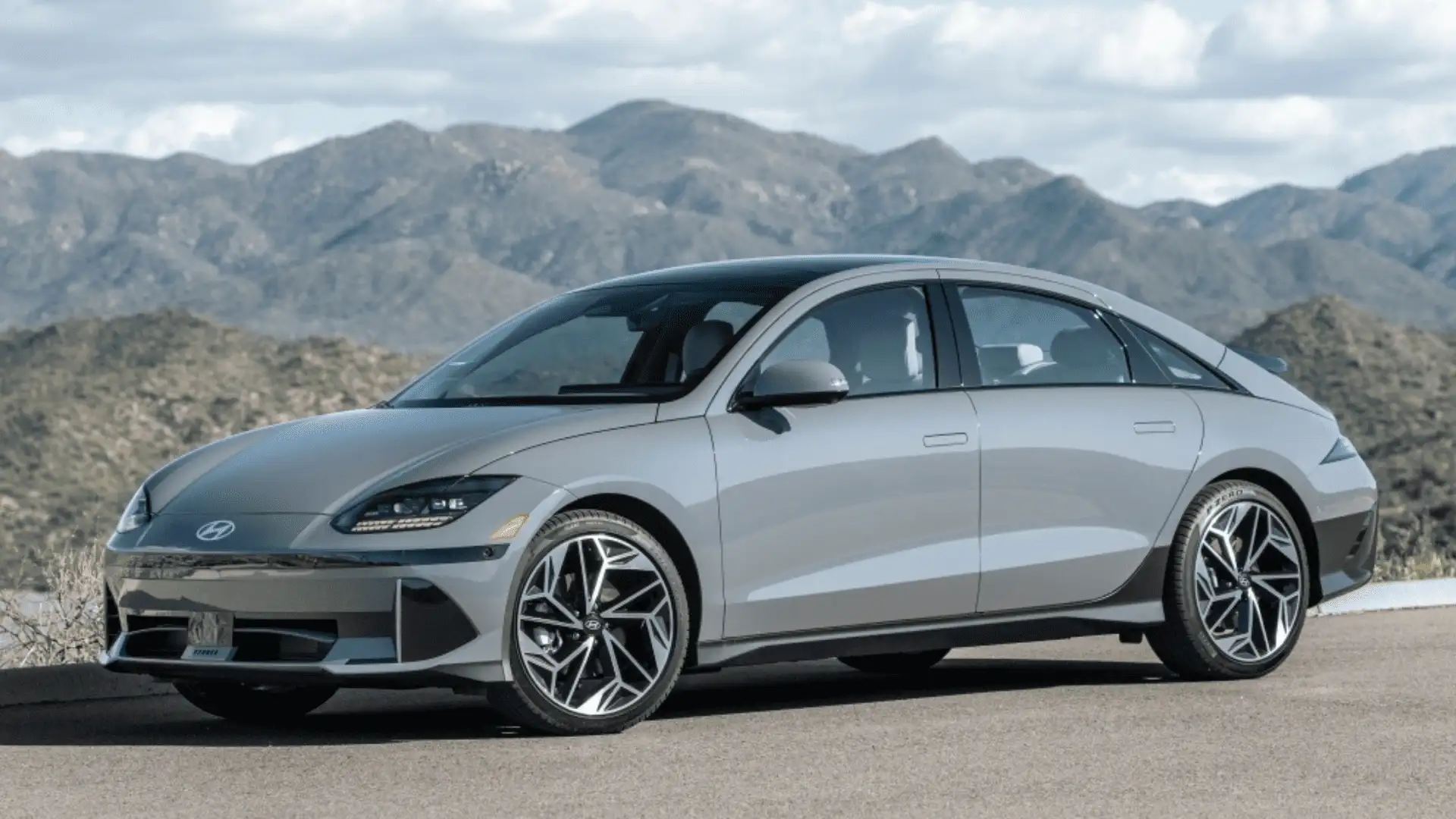
The 2026 Hyundai IONIQ 6 is designated as a Product Enhancement Model in Hyundai’s model year documentation, with details still to come. Current information confirms that updates are planned for the upcoming year, but technical specifications have not yet been released. The existing engineering and system architecture of the 2025 Hyundai IONIQ 6 offers the most reliable basis for projecting the expected level of capability for the upcoming model.
Powertrain Configuration and Energy Output Structure
The 2025 Hyundai IONIQ 6 uses the E-GMP electric platform that supports multiple motor configurations to accommodate different driving demands. The single-motor rear-wheel-drive layout provides stable output through a single high-efficiency motor mounted at the rear axle. The dual-motor all-wheel-drive configuration integrates a second motor at the front axle to increase total system output and improve traction distribution across varying surfaces. Both layouts manage torque electronically with controlled modulation for predictable performance. The design supports consistent acceleration mapping that allows the vehicle to adjust power flow as needed to maintain smooth operation.
The battery system integrates with an 800-volt architecture that enables rapid charging intervals when connected to appropriate chargers. The system supports high-efficiency energy transfer to reduce charge times by optimizing the flow of power between the charger and the pack. The electrical layout is designed to maintain stability during high-demand operation with thermal regulation features that help keep internal temperatures steady. This combination contributes to a streamlined charging and discharge cycle that maintains performance under normal driving conditions.
Regenerative braking converts kinetic energy into stored electrical energy through a controlled inverter process. The driver can modulate the level of regeneration to suit individual driving patterns. The system contributes to extended travel efficiency by reducing reliance on friction braking in common deceleration scenarios. This structural approach to energy conservation provides a measurable benefit to battery management and long-term efficiency. These proven characteristics create a reliable technical baseline for the enhancements expected for the 2026 model.
Exterior Structure and Aerodynamic Efficiency Systems
The 2026 Hyundai IONIQ 6 emphasizes aerodynamic performance through structural shaping and airflow optimization. The exterior body contours minimize drag by directing airflow across the roofline and down the vehicle sides with minimal turbulence. Surface transitions and panel shaping are engineered to reduce resistance at higher speeds. The front fascia uses active air flaps that adjust as needed to manage cooling requirements. When closed, they reduce aerodynamic drag. When open, they supply airflow to components that require temperature regulation.
The underbody panels form a smooth enclosure that limits the circulation of air beneath the vehicle. This reduces lift and helps stabilize directional control. The rear spoiler and tail section shape manage airflow separation to maintain stability during steady cruising. The overall aerodynamic design directly influences range capability by supporting more efficient energy usage. These elements are expected to inform the continued development of the 2026 model given the product enhancement designation.
Platform Engineering and Structural Integrity Features
The E GMP architecture provides a flat floor that supports a wide cabin area without interference from mechanical components found in traditional internal combustion vehicles. The battery pack is housed within the floor structure to lower the center of gravity. This contributes to predictable handling characteristics through turns and directional transitions. The multi-link rear suspension supports consistent wheel articulation and stable ride quality. The integrated drive axle design improves rigidity and supports uniform power delivery from the electric motors.
The body structure incorporates high-strength materials engineered to distribute impact forces effectively. Crumple zones at the front and rear are shaped to absorb energy in a collision. The cabin is reinforced with load paths that direct forces away from occupants. The platform is also designed for compatibility with evolving software systems that manage vehicle functions. Software updates can adjust power management, infotainment features, and driver assistance systems without requiring physical modifications.
Charging Infrastructure Compatibility and Battery Regulation
The charging system of the 2025 Hyundai IONIQ 6 supports both Level 2 and DC fast charging equipment. The battery management system regulates current flow to prevent overheating while maximizing charge speed. Temperature control is integrated into the battery pack with coolant circulation that maintains consistent thermal levels. This is important for both charging efficiency and long-term battery life. The system also responds to environmental conditions by adjusting heating or cooling as needed to preserve optimal operation.
Battery preconditioning is available when navigating to a compatible fast charger. This prepares the pack for the most efficient transfer of energy by achieving a temperature range that supports higher charging rates. The energy management software monitors pack status continuously to maintain balanced cell usage. Vehicle-to-load capability is also supported, allowing the vehicle to supply external power to compatible devices. This function operates within set output limits and is regulated to avoid excessive battery drain.
Technology Interface and Integrated Control Systems
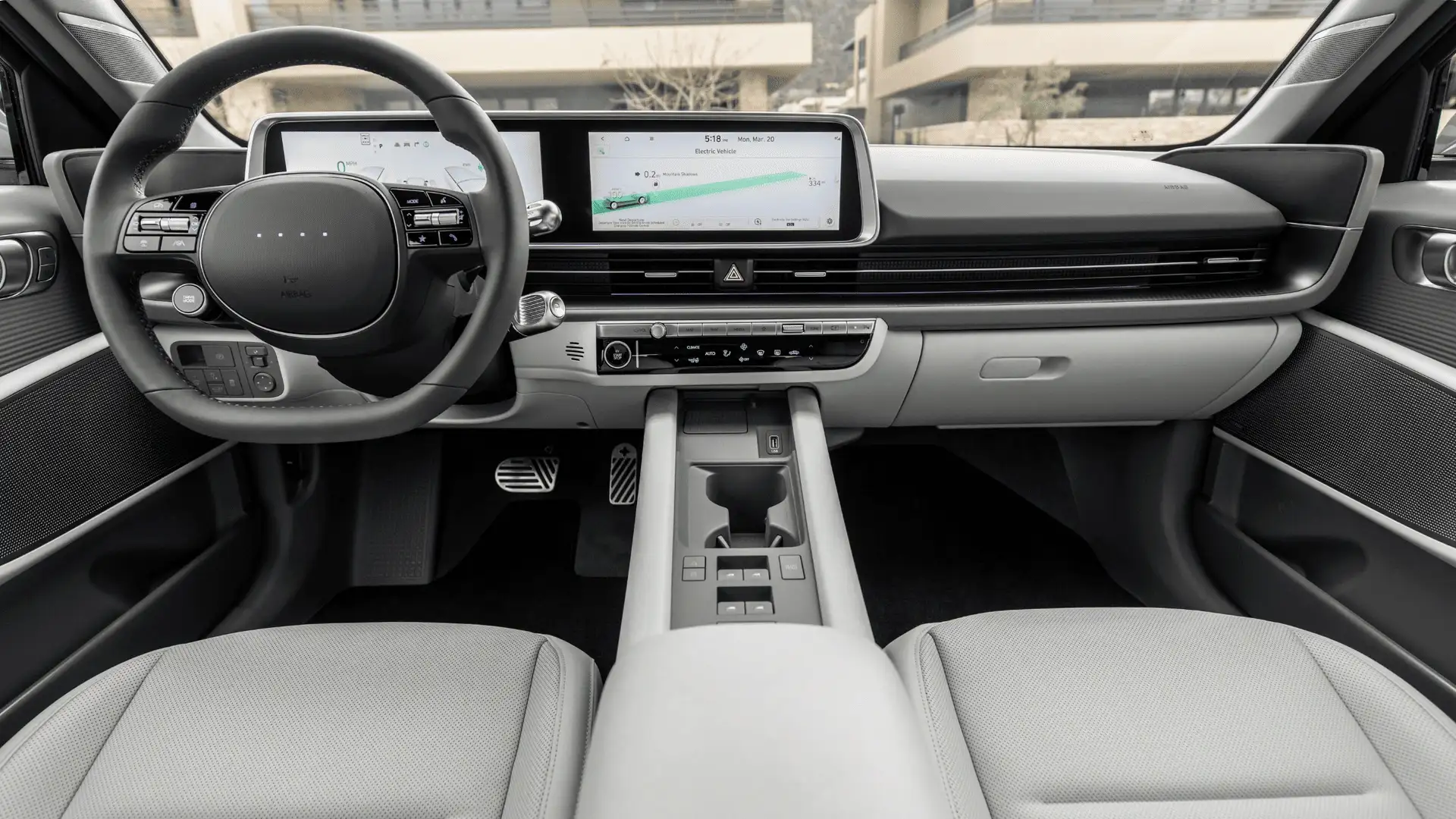
The cabin of the 2025 Hyundai IONIQ 6 features a digital control layout built around dual 12.3-inch displays. The instrument cluster provides driving information with configurable layouts. The infotainment display supports navigation, connectivity functions, and system settings. Wireless smartphone integration is included for communication and media access. The digital key system allows approved devices to lock, unlock, and start the vehicle through near field communication. The software platform accepts over-the-air updates that can introduce feature improvements or refinements to existing functions. This structure supports continuous evolution throughout the vehicle’s lifespan.
The display interface consolidates vehicle settings into centralized menus. Climate controls, charging timers, and energy usage information are displayed digitally. Multiple USB-C ports are available for device charging. Internal lighting features include adjustable ambient illumination with multiple settings that allow occupants to modify interior lighting tone. The cabin design prioritizes functional organization and efficient use of available space, with the flat floor contributing to increased legroom.
Driver Assistance and Operational Monitoring Systems
The 2025 Hyundai IONIQ 6 includes an extensive suite of driver assistance features designed to support safer operation. Forward Collision Avoidance Assist monitors the road ahead with sensors and cameras to detect vehicles, pedestrians, and cyclists. If a potential collision is detected, the system can apply braking to reduce impact severity. Blind Spot Collision Avoidance Assist monitors areas to the side and rear and can intervene with corrective braking if needed. Lane Keeping Assist uses camera input to identify lane markings and provide steering guidance. Lane Following Assist maintains a centered position within the lane during steady travel.
Smart Cruise Control uses adaptive sensors to maintain distance from the vehicle ahead. Machine learning capability refines acceleration and deceleration patterns to align with driver tendencies over time. Rear Cross Traffic Collision Avoidance provides alerts and braking support when reversing from parking spaces. The Surround View Monitor offers a composite image of the vehicle surroundings to assist with low-speed maneuvering.
Interior Functional Layout and Cabin Utility Engineering
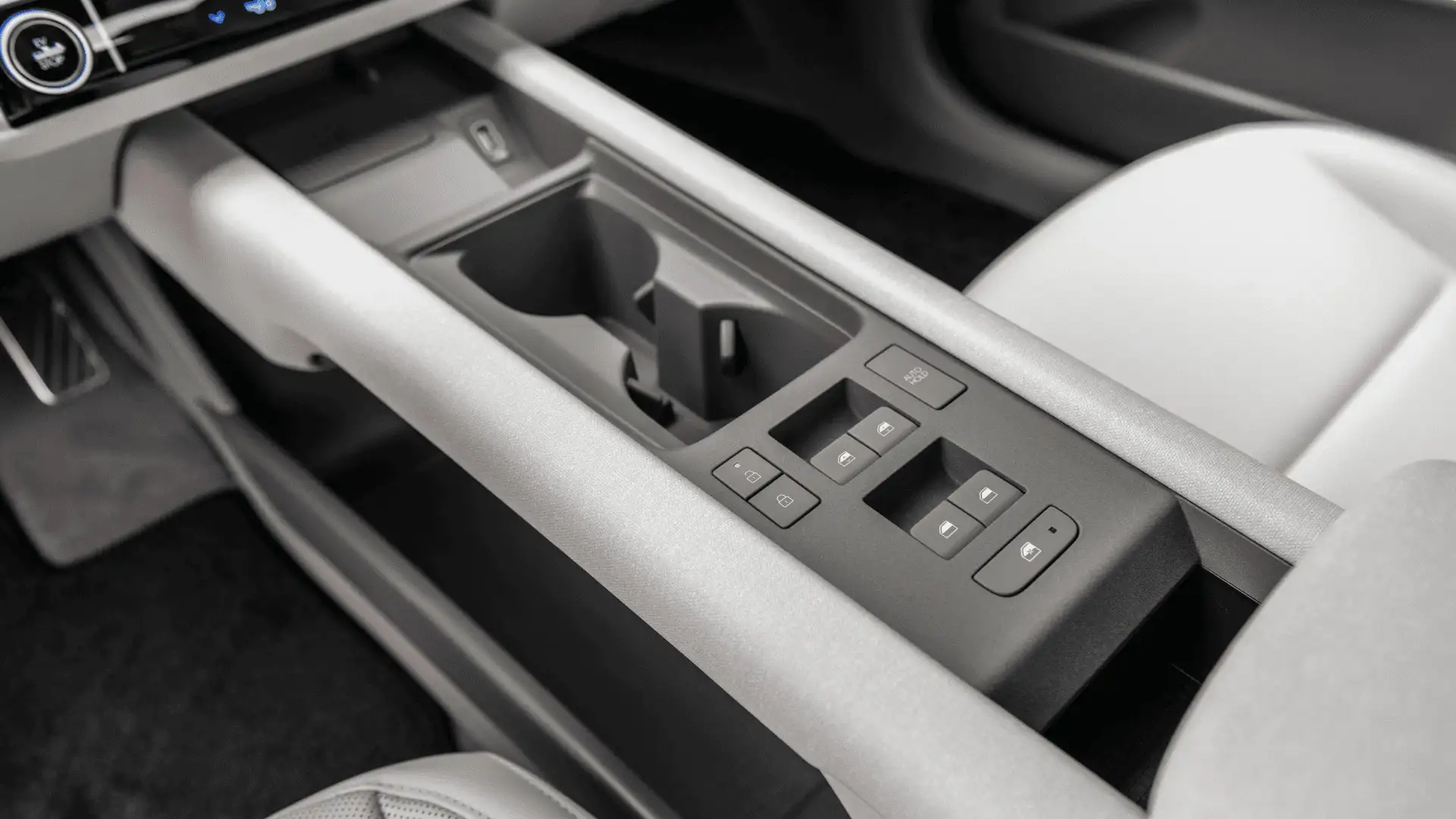
The interior structure of the 2025 Hyundai IONIQ 6 prioritizes efficient use of space and practical design. The flat floor provides uninterrupted legroom for front and rear passengers. The seating design supports balanced posture with engineering focused on occupant comfort over extended periods of travel. The climate control system uses targeted airflow distribution to maintain stable cabin temperature. Storage areas include multiple compartments that accommodate small items without interfering with passenger movement. Noise management is supported through insulation materials designed to reduce external sound penetration.
Sustainable materials are used in several components to reduce environmental impact. The wide center console provides additional space for device placement and operational controls. The cabin layout supports easy access to system functions without requiring excessive reaching or distraction. These functional characteristics are likely to influence the upcoming enhancements planned for the 2026 Hyundai IONIQ 6.
Visit ALM Hyundai of Athens near Coventry, GA
Prospective drivers who want direct experience with the engineering of the 2026 Hyundai IONIQ 6 can schedule a visit to ALM Hyundai of Athens near Coventry, GA. A test drive provides the opportunity to examine the vehicle’s handling response, charging performance, and interior technology systems in person. This allows a clear understanding of how the electric platform operates under normal conditions. It also offers a useful perspective on the type of refinements that may be introduced for the enhanced 2026 Hyundai IONIQ 6. Our team is available to answer technical questions and assist with scheduling to ensure a productive visit.