

2026 Hyundai Elantra near Buford, GA
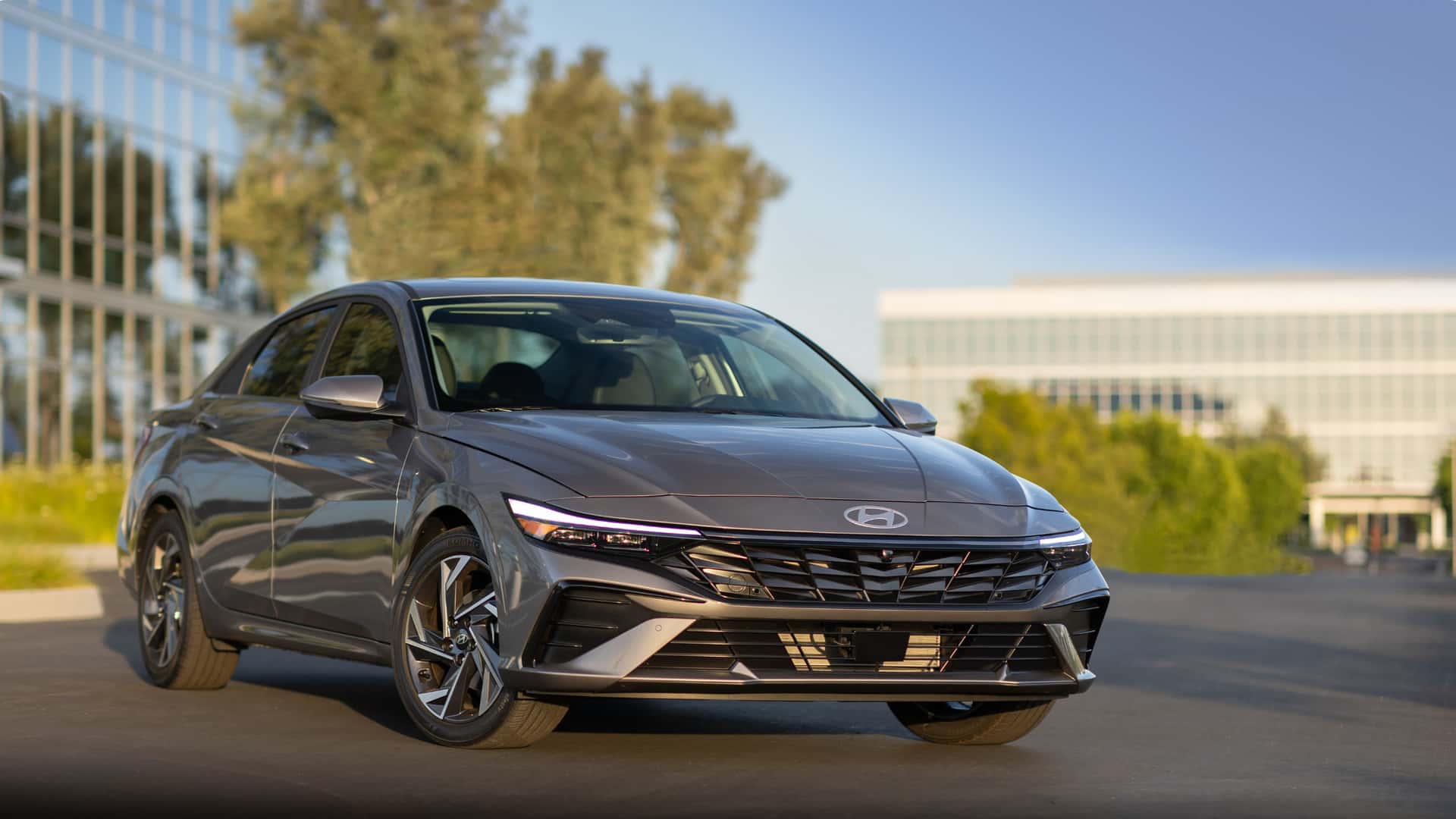
The 2026 Hyundai Elantra continues the brand’s compact sedan development with a strong emphasis on mechanical engineering, digital integration, and structural safety systems. The model incorporates multiple powertrain configurations, modern transmission technologies, and an advanced driver assistance framework that supports controlled performance and efficiency. Designed with a unibody structure that integrates high-tensile steel, the sedan combines structural rigidity with a streamlined exterior profile. With an overall length of 185.4 inches, a wheelbase of 107.1 inches, and a width of 71.9 inches, the vehicle maintains balanced proportions that contribute to stability and predictable handling. A low aerodynamic drag coefficient of approximately 0.28 supports improved efficiency and consistent highway performance.
Powertrain Architecture and Engine Output
The 2026 Hyundai Elantra provides several engine configurations that address different performance and efficiency requirements. Each powertrain uses aluminum construction for the engine block and cylinder head to reduce weight and maintain thermal stability. Dual overhead camshaft valve trains and modern variable valve control technologies support improved combustion efficiency and controlled power delivery.
The standard gasoline engine is a 2.0-liter multi-point injection Atkinson cycle inline four-cylinder engine with a displacement of 1,999 cubic centimeters. This engine generates 147 horsepower at 6,200 revolutions per minute and produces 132 pound-feet of torque at 4,500 revolutions per minute. The design includes Dual Continuously Variable Valve Timing, which adjusts intake and exhaust valve timing based on engine load and speed. Bore and stroke measurements are 81 millimeters by 97 millimeters, which support a balanced combination of efficiency and torque output.
Hybrid models utilize a 1.6-liter gasoline direct injection Atkinson cycle inline four-cylinder engine with a displacement of 1,580 cubic centimeters. The gasoline engine works with a permanent magnet synchronous electric motor that produces 32 kilowatts of output, equivalent to 43 horsepower, and 125 pound-feet of torque. The electric motor draws power from a lithium-ion battery pack rated at 240 volts with a system capacity of 1.32 kilowatt hours. When the gasoline engine and electric motor operate together, the hybrid system produces a combined output of 139 horsepower and a combined torque output of 195 pound-feet.
Turbocharged configurations provide additional performance capability. A 1.6 liter turbocharged gasoline direct injection engine with Continuously Variable Valve Duration technology produces 201 horsepower at 6,000 revolutions per minute and generates 195 pound-feet of torque between 1,500 and 4,500 revolutions per minute. The bore and stroke measurements are 75.6 millimeters by 89 millimeters. The variable valve duration system adjusts valve opening duration in response to engine conditions, improving both efficiency and power delivery across different operating ranges.
A higher output performance engine is available in the form of a 2.0-liter turbocharged direct injection four-cylinder engine known as the Flat Power configuration. This engine produces 276 horsepower between 5,500 and 6,000 revolutions per minute and generates 289 pound-feet of torque between 2,100 and 4,700 revolutions per minute. The engine uses an 86-millimeter by 86-millimeter bore and stroke configuration that supports high output performance and consistent torque delivery across a wide speed range.
Transmission Systems and Driving Control
The 2026 Hyundai Elantra incorporates several transmission technologies designed to complement the available engines. The base transmission is the Smartstream® Intelligent Variable Transmission. This system continuously adjusts gear ratios to maintain engine efficiency and smooth acceleration.
Additional transmission configurations are offered on higher trims and performance models. A six-speed EcoShift® dual-clutch transmission provides quick gear changes through a dry-clutch design. A seven-speed dual-clutch transmission with a dry double-plate clutch assembly and diaphragm spring mechanism improves acceleration response during performance driving conditions.
Manual driving control is available through a six-speed manual transmission. This configuration allows direct driver input for gear selection and provides greater control over engine power delivery. The high-performance variant integrates an eight-speed wet dual-clutch transmission that supports rapid shifting and improved durability during aggressive driving.
The drive system configuration across the lineup uses a front-wheel drive layout. The transmission and powertrain systems include drive mode selection features that adjust throttle response, transmission behavior, and steering feedback. Depending on trim level, selectable modes include Normal, Sport, Smart, Eco, and performance-oriented N Custom settings.
Steering Precision and Suspension Engineering
The steering system in the 2026 Hyundai Elantra uses a rack and pinion design supported by motor-driven power steering technology. Standard trims use a column-mounted, motor-driven power steering system that provides controlled steering assistance and consistent feedback. Performance-oriented versions incorporate a rack-mounted, motor-driven power steering system that offers increased steering precision.
The steering gear ratio is approximately 12.9 to one in standard models and 12.2 to one in performance models. The steering wheel diameter measures approximately 14.6 inches, and the turning radius ranges from about 17.7 feet in standard trims to approximately 19.2 feet in performance variants.
Suspension design combines front MacPherson® strut architecture with different rear suspension configurations depending on trim level. Standard trims use a coupled torsion beam rear axle. This configuration simplifies packaging and maintains predictable ride characteristics. Performance-oriented models use a multi-link independent rear suspension system.
Stabilizer bars and hydraulic twin tube shock absorbers are integrated into the suspension system to manage body movement. Performance models include a rear chassis brace and an electronically controlled limited slip differential known as the N Corner Carving Differential. This system distributes torque between the front wheels to improve traction during cornering.
Braking Technology and Control Systems
The braking system on the 2026 Hyundai Elantra uses ventilated front disc brakes and solid rear disc brakes in most configurations. Standard models use front discs with an 11.0-inch diameter and rear discs measuring approximately 10.3 inches in diameter. Performance models integrate larger braking components with front rotors measuring approximately 14.2 inches in diameter and rear rotors measuring approximately 12.4 inches in diameter. Larger rotors improve heat dissipation and support consistent braking performance during repeated stops.
The braking system includes Anti-lock Braking System technology combined with Electronic Brake Force Distribution. The system monitors wheel speed sensors and adjusts braking force to prevent wheel lock during sudden braking. Brake Assist increases hydraulic pressure during emergency braking situations.
Hybrid models incorporate regenerative braking functionality. During deceleration, the electric motor operates as a generator to capture kinetic energy and store it in the battery pack. This process contributes to improved overall efficiency.
Exterior Lighting and Structural Design
Exterior engineering on the 2026 Hyundai Elantra integrates aerodynamic styling with functional lighting technology. The body structure uses a unibody design that incorporates high-tensile steel and hot stamping processes to increase structural rigidity. Reinforced bodyside members and crumple zones are integrated to absorb impact forces during collisions.
Lighting technology includes LED daytime running lights and dual LED projector headlights across multiple trim levels. Automatic headlamp control activates the headlights based on surrounding light conditions. Automatic high beam assist detects approaching traffic and adjusts headlight intensity to reduce glare for other drivers.
Rear lighting systems vary by trim level. Standard configurations use bulb-based rear taillights, while higher trims include LED rear lighting assemblies. The performance variant integrates full LED rear lighting with additional aerodynamic features such as a rear spoiler and diffuser components.
Wheel sizes vary from 15-inch alloy wheels to 19-inch alloy wheels depending on trim level. Tire dimensions range from 195 65R15 to 245 35R19. Performance variants use high-performance summer tires designed to support increased cornering grip and stability.
Interior Layout and Cabin Functionality
The interior of the 2026 Hyundai Elantra provides seating capacity for five passengers. Seat construction varies by trim level and includes premium cloth surfaces, leatherette materials known as H-Tex®, and leather-trimmed surfaces in higher trims. Performance-oriented models include sport bucket seats with microsuede combinations and illuminated logos.
The driver’s seat includes six-way manual adjustment capability, while the front passenger seat includes four-way adjustment. Higher trim levels add power driver seat adjustments with lumbar support and an integrated memory system that stores preferred seating and mirror positions. Heated and ventilated front seats are available on higher trims to support occupant comfort.
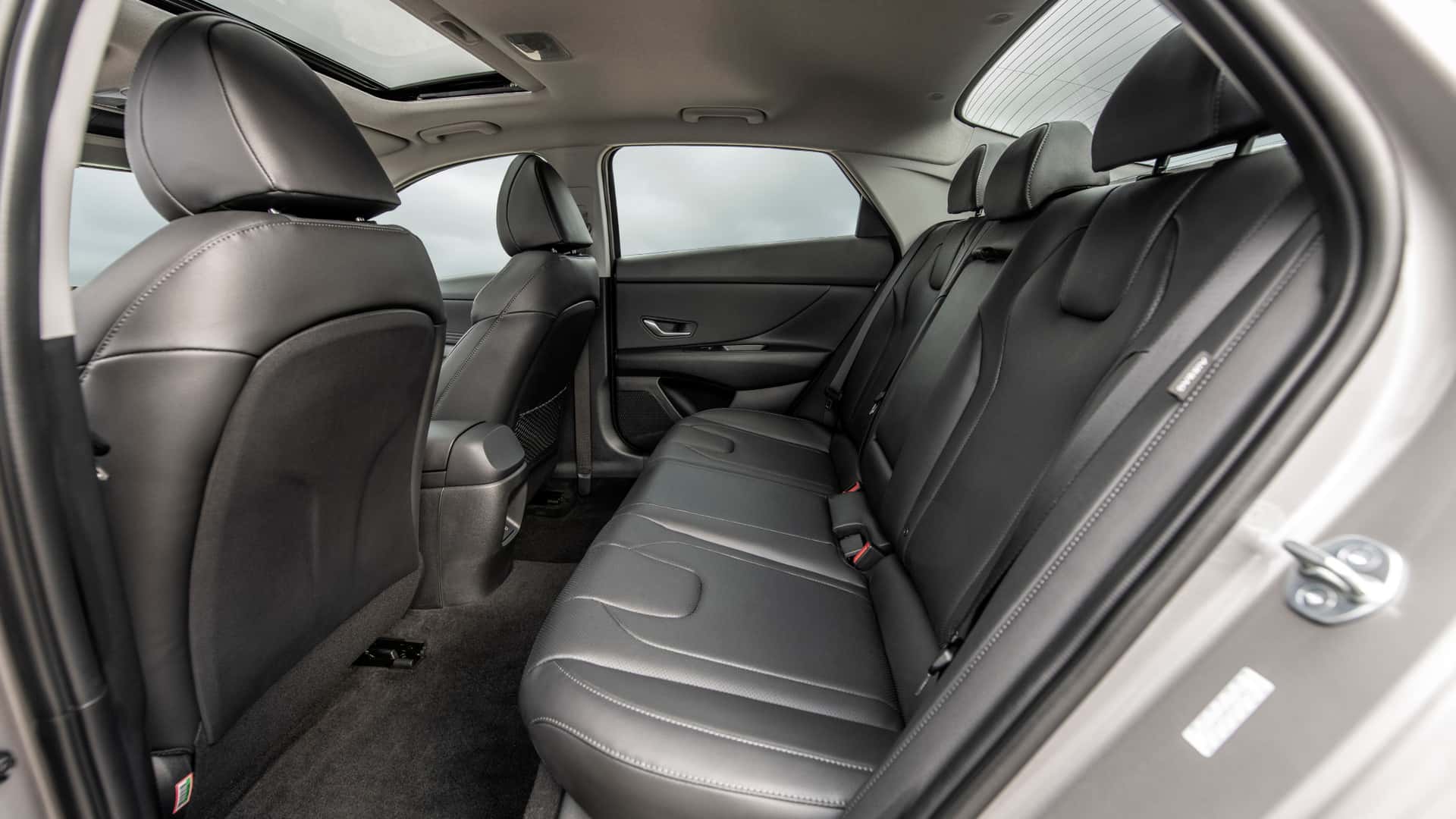
Rear seating configurations include a folding bench seat design. In several trims the rear seatbacks use a sixty-forty split folding structure with adjustable headrests and an integrated center armrest with cup holders. Cargo capacity in the trunk measures approximately 14.2 cubic feet. The passenger compartment volume measures approximately 99.4 cubic feet.
Interior dimensions include approximately 42.3 inches of front legroom and 38.0 inches of rear legroom. Front headroom measures approximately 40.6 inches, with a slightly reduced measurement when the optional sunroof is installed.
Digital Connectivity and Infotainment Integration
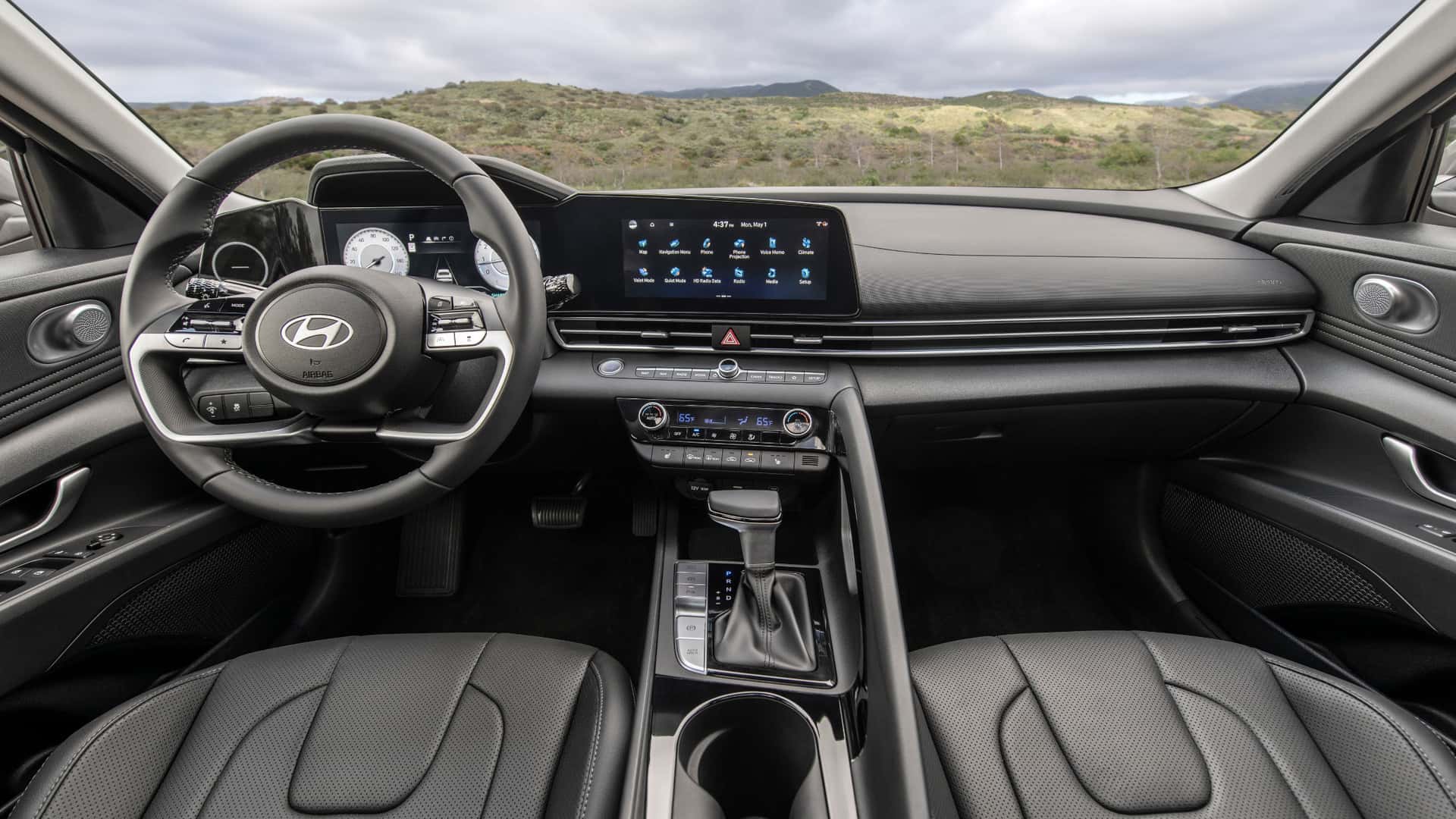
Technology integration within the cabin includes a central infotainment system with touchscreen displays. Standard trims include an eight-inch display audio system with six speakers. The system supports AM/FM radio, HD Radio™ capability, and smartphone connectivity through wireless Apple CarPlay® and Android Auto™.
Higher trims include a 10.25-inch touchscreen navigation system that supports SiriusXM® satellite radio and integrated navigation services. The display also supports navigation, traffic updates, and weather information through connected services.
Audio upgrades include a Bose® premium audio system with eight speakers, including a center channel speaker and a dedicated subwoofer. Bluetooth® hands-free calling with voice recognition is included across the lineup.
Connectivity features include wireless smartphone charging capability using Qi charging standards. USB connectivity includes dual front USB ports and rear USB-C charging ports for passengers. Vehicles equipped with navigation also support connected vehicle services and Wi-Fi hotspot capability.
Instrumentation includes digital gauges that display speed, engine speed, fuel level, and vehicle information. Performance models incorporate additional gauges displaying turbo boost pressure, throttle position, brake pressure, oil temperature, and coolant temperature.
Integrated Safety Systems and Driver Assistance
Safety engineering in the 2026 Hyundai Elantra incorporates both passive protection and advanced driver assistance systems. The restraint system includes advanced front airbags for the driver and front passenger. Side impact airbags and curtain airbags provide additional protection for occupants in both seating rows. The system also includes an occupant classification sensor that determines airbag deployment characteristics based on passenger weight.
Seatbelt systems include three-point belts for all seating positions and pretensioners for the front seats. Adjustable shoulder belt anchors allow improved positioning for occupants. The vehicle structure includes front and rear crumple zones, reinforced side body structures, and an energy-absorbing steering column.
Electronic stability technologies include Vehicle Stability Management and Electronic Stability Control combined with Traction Control and Hill Start Assist Control. Tire Pressure Monitoring sensors monitor air pressure in each tire and notify the driver when pressure drops below recommended levels.
Driver assistance systems provide additional support for driver awareness. Forward Collision Avoidance Assist monitors the road ahead and can detect pedestrians or cyclists in certain configurations. Blind Spot Collision Warning monitors adjacent lanes and provides alerts when another vehicle is detected in the blind spot area. Rear Cross Traffic Collision Avoidance Assist provides warnings when traffic approaches from the side during reversing.
Lane Keeping Assist and Lane Following Assist monitor lane markings and help guide the vehicle within the lane. Driver Attention Warning analyzes steering behavior and driving patterns to detect signs of driver fatigue. Intelligent Speed Limit Assist provides visual alerts based on detected speed limit signs. Some trims also include Highway Drive Assist, which integrates adaptive cruise control and lane centering functionality.
Schedule a Test Ride near Buford, GA
Drivers interested in examining the engineering and technology of the 2026 Hyundai Elantra can arrange a test drive with our team at ALM Hyundai of Athens near Buford, GA. A scheduled test drive allows drivers to experience the available engine configurations, evaluate the steering and suspension systems, and review the integrated infotainment and safety technologies. During the test drive, visitors can explore how the hybrid and turbocharged powertrains respond under normal driving conditions and observe the driver assistance systems in operation. Our team can demonstrate the infotainment interface, connectivity features, and digital instrumentation within the cabin. Contact our dealership to schedule a convenient appointment and evaluate the technical systems of the 2026 Hyundai Elantra firsthand.