

2026 Hyundai Elantra N near Loganville, GA
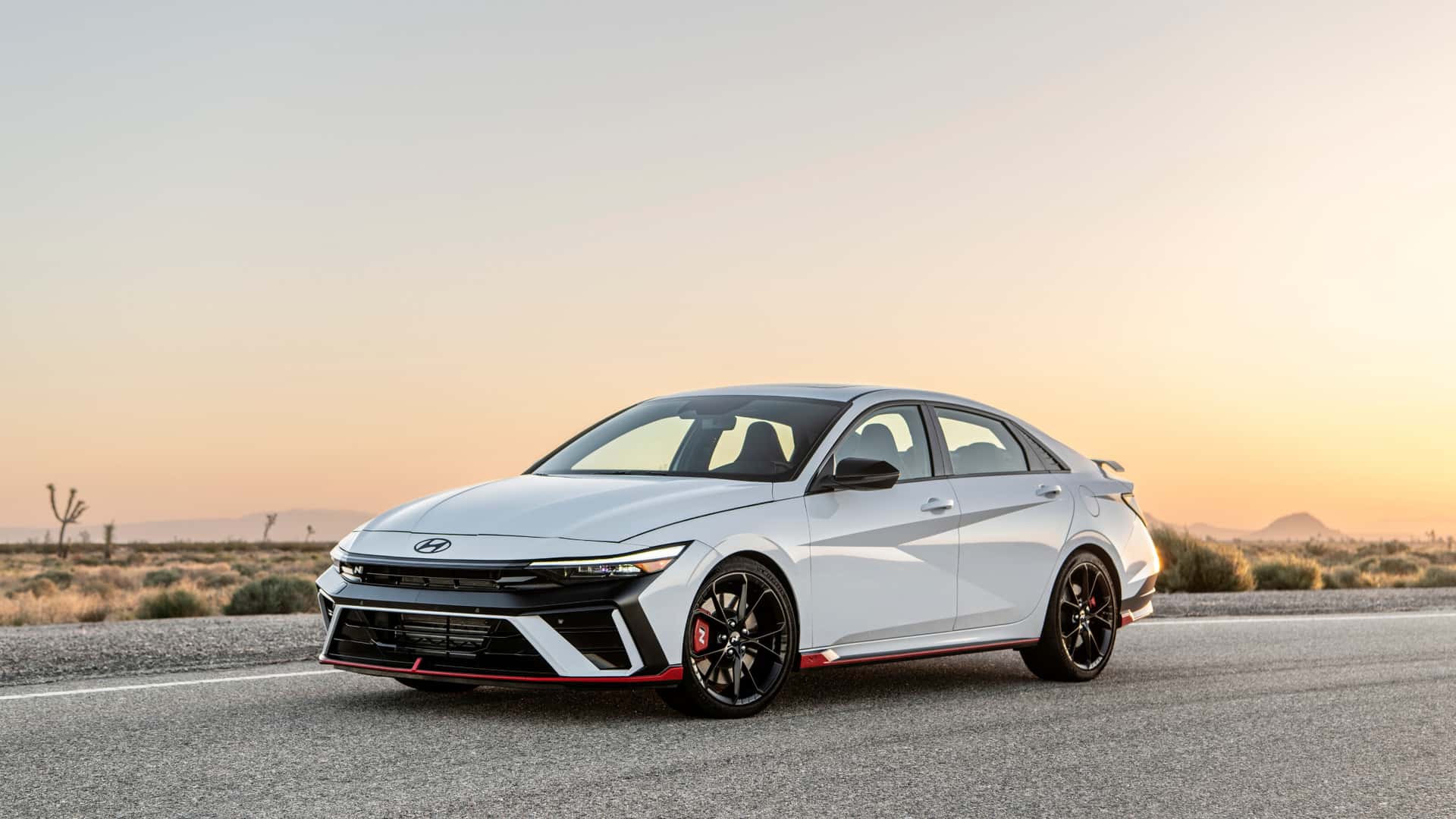
The 2026 Hyundai Elantra N is engineered as a high-performance compact sedan with a clear emphasis on measurable output, structural precision, and advanced mechanical systems. It uses a unibody chassis constructed with high-tensile steel to increase rigidity while maintaining weight efficiency. The model integrates a turbocharged engine, electronically controlled systems, and a performance-tuned suspension layout designed to support controlled acceleration, responsive handling, and consistent braking performance.
Turbocharged Powertrain Configuration and Output Metrics
The 2026 Hyundai Elantra N is equipped with a 2.0-liter turbocharged direct-injected inline four-cylinder engine. This engine has a displacement of 1,998 cubic centimeters and uses an aluminum block and head construction to reduce overall mass while maintaining structural strength. It produces 276 horsepower within a range of 5,500 to 6,000 revolutions per minute. Torque output is rated at 289 pound-feet, delivered between 2,100 and 4,700 revolutions per minute.
The engine incorporates a dual overhead camshaft design with 16 valves and optimized airflow pathways to improve combustion efficiency. The turbocharging system supports sustained power delivery by maintaining consistent boost levels across a broad RPM range. This configuration ensures that peak performance is not limited to a narrow operating band. The bore and stroke dimensions measure 86 millimeters by 86 millimeters, which indicates a square engine design that balances high-revving capability with torque production.
Fuel delivery is managed through a direct injection system, which increases combustion precision and supports higher compression efficiency under load. The exhaust system includes large bore outlets that improve exhaust gas flow and contribute to reduced backpressure. This design supports consistent engine output during extended driving conditions.
Transmission Engineering and Drive Mode Calibration
The 2026 Hyundai Elantra N uses an N-specific 8-speed wet dual-clutch transmission. This system is engineered to handle higher torque loads while maintaining smooth and rapid gear changes. The wet clutch configuration improves heat dissipation compared to dry clutch systems, which supports durability during repeated acceleration cycles and sustained performance driving.
The transmission includes multiple selectable drive modes. These modes include Eco, Normal, Sport, and N Custom settings. Each mode adjusts throttle sensitivity, shift timing, and overall drivetrain behavior. The N Custom configuration allows further refinement of vehicle response characteristics based on driver preference. Paddle shifters are integrated into the steering wheel, enabling manual gear selection without disengaging the transmission system.
The drivetrain operates in a front-wheel-drive configuration. Torque distribution is optimized through electronic control systems that manage traction and stability. The combination of transmission programming and drivetrain layout supports predictable acceleration and consistent traction under varying conditions.
Suspension Geometry and Electronic Damping Systems
The suspension system in the 2026 Hyundai Elantra N is designed to maintain tire contact and stability during dynamic driving conditions. The front suspension uses a MacPherson® strut configuration with a stabilizer bar, which provides a balance between structural simplicity and performance capability. The rear suspension uses a multi-link independent design, which allows each wheel to respond independently to road surface changes.
The system includes electronically controlled suspension damping. This feature adjusts damping force based on driving conditions and selected drive mode. The adaptive damping system improves ride control and reduces body motion during cornering. It also allows the suspension to respond differently under varying speeds and road conditions.
A rear chassis brace is integrated into the structure to increase torsional rigidity. This reinforcement reduces flex during cornering and improves overall handling precision. The 2026 Hyundai Elantra N also includes an electronically controlled limited-slip differential known as the N Corner Carving Differential. This system distributes torque between the front wheels to improve traction and reduce understeer during aggressive cornering. It enhances directional stability and ensures that power is applied efficiently to the road surface.
High-Capacity Braking Hardware and Control Systems
The braking system is configured to support higher performance demands through increased rotor size and improved thermal management. The front brakes use ventilated discs measuring 14.2 inches in diameter. The rear brakes use ventilated discs measuring 12.4 inches. These larger rotors increase heat dissipation capacity and reduce the likelihood of brake fade during repeated high-load braking events.
The system includes an anti-lock braking system with electronic brake-force distribution. This configuration ensures that braking force is applied appropriately across all four wheels based on load conditions and traction levels. Brake assist is also included, which increases braking pressure during emergency stopping situations.
Steering Calibration and Handling Response
The 2026 Hyundai Elantra N uses a rack-mounted motor-driven power steering system. This configuration provides more direct steering feedback compared to column-mounted systems. The steering ratio is approximately 12.2 to one, which results in a quicker response to steering inputs. The system requires approximately 2.2 turns from lock to lock, which supports rapid directional changes.
The turning radius is approximately 19.2 feet. This measurement reflects a balance between maneuverability and stability. The steering system is calibrated to align with the performance characteristics of the vehicle, providing consistent feedback and control during both low-speed maneuvers and high-speed cornering.
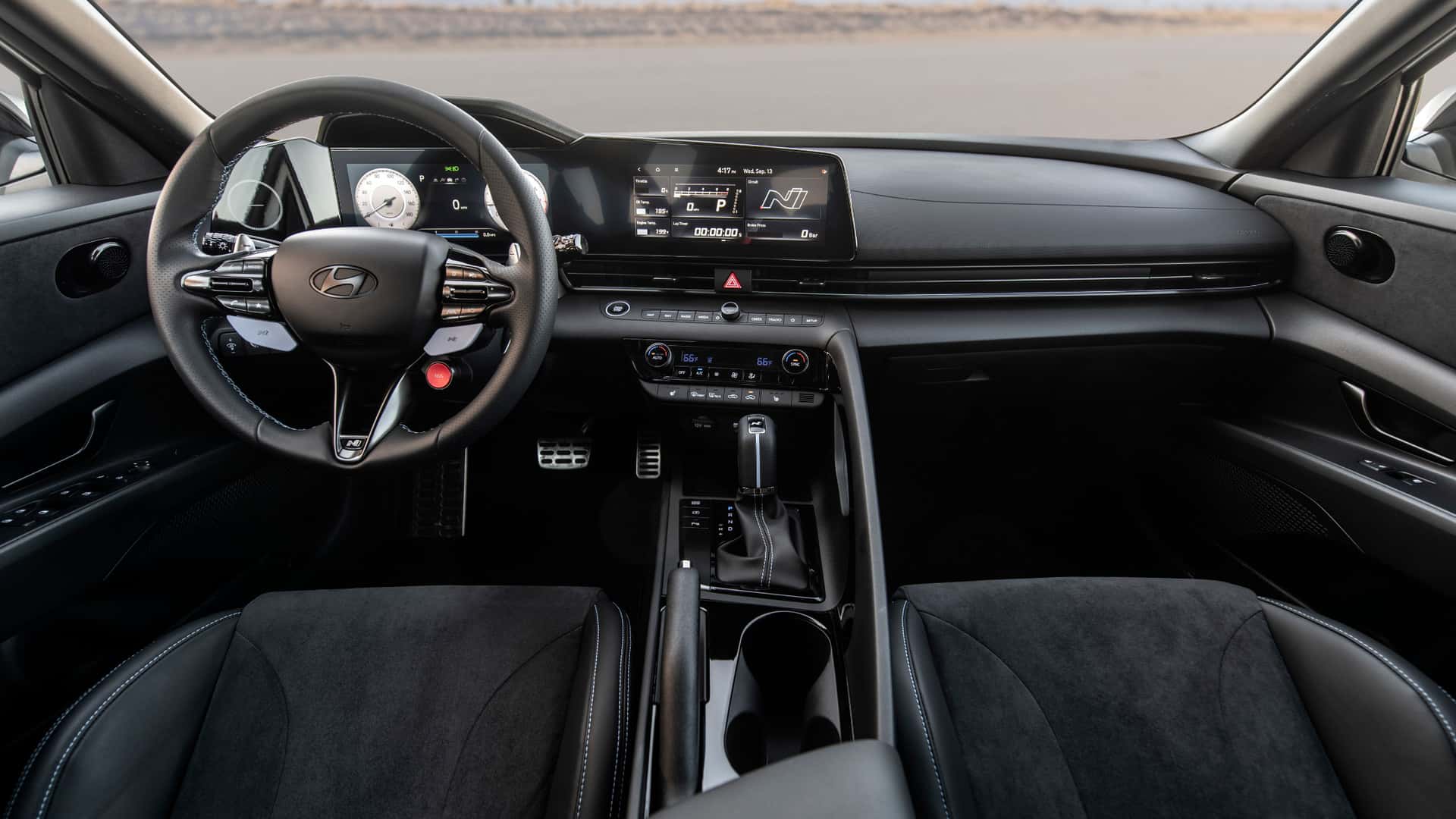
The steering wheel diameter is approximately 14.6 inches, which supports ergonomic control and precise input. Integrated controls allow adjustment of audio and communication systems without requiring the driver to remove hands from the wheel.
Exterior Engineering and Aerodynamic Considerations
The exterior of the 2026 Hyundai Elantra N incorporates functional elements that contribute to aerodynamic stability and performance. The vehicle is equipped with 19-inch alloy wheels paired with 245/35 R19 Michelin® Pilot Sport 4 S summer tires. These tires are designed to provide high levels of grip and stability during performance driving conditions.
The rear of the vehicle includes a wing-type spoiler finished in glossy black. This component contributes to aerodynamic balance by reducing lift at higher speeds. A matte black lower diffuser is also integrated into the rear bumper. This diffuser manages airflow beneath the vehicle and improves stability.
The lighting system includes LED daytime running lights and dual LED projector headlights. Automatic headlamp control and high beam assist are included to improve visibility. The exterior design also incorporates solar glass, which reduces heat buildup inside the cabin.
Interior Systems and Performance-Oriented Instrumentation
The interior of the 2026 Hyundai Elantra N integrates performance monitoring systems with standard connectivity features. The instrument cluster includes N-specific performance gauges that display metrics such as turbo pressure, throttle input, brake pressure, oil temperature, and coolant temperature. These readings provide the driver with detailed information about vehicle operation.
The infotainment system includes a 10.25-inch touchscreen display with navigation capability. It supports wireless Apple CarPlay® and Android Auto™ integration. The system also includes Bluetooth® connectivity and a Wi-Fi hotspot function. Audio output is managed through a Bose® premium system with eight speakers, including a center channel and subwoofer.
The cabin includes dual USB ports and additional rear USB-C charging ports. Wireless charging capability is also integrated. Voice recognition systems allow control of navigation and communication functions.
Seating Configuration and Interior Materials
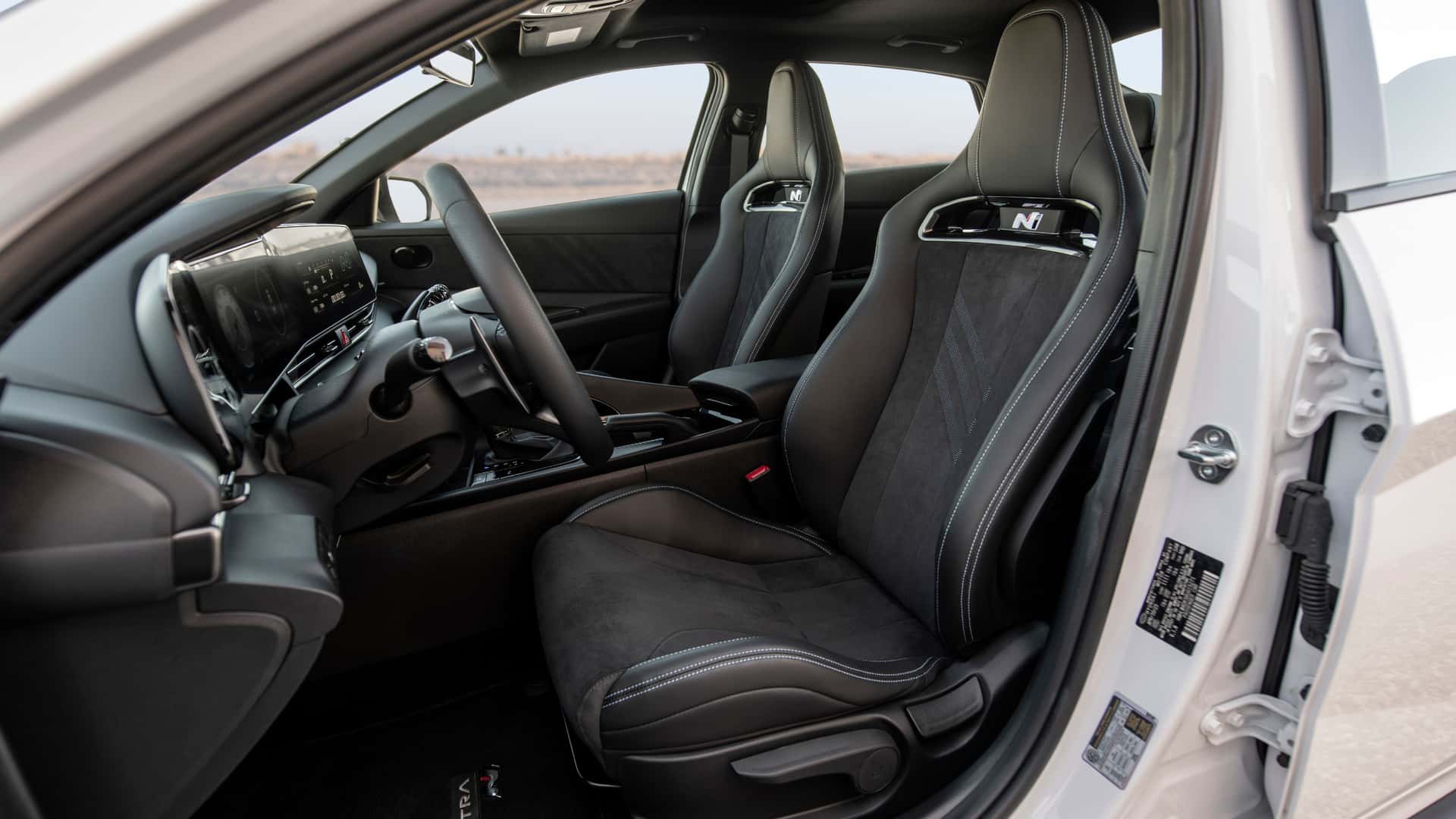
The 2026 Hyundai Elantra N uses sport bucket seats designed to provide increased lateral support. These seats are constructed with a combination of leather trim and microsuede materials. The driver seat includes multiple adjustment settings to support ergonomic positioning.
Heated front seats are included to improve comfort during colder conditions. The seating layout supports five occupants, with a rear bench that includes a fold-down configuration for increased cargo flexibility. The interior also includes dual automatic temperature control, which allows separate climate settings for the driver and front passenger.
The steering wheel is leather-wrapped and includes tilt and telescopic adjustment. Integrated controls allow access to audio, cruise control, and communication systems. The overall layout of the cabin is structured to prioritize accessibility and driver control.
Comprehensive Safety Systems and Structural Reinforcement
The safety systems in the 2026 Hyundai Elantra N include both active and passive components. The vehicle is equipped with multiple airbags, including front, side-impact, and side curtain airbags. Seatbelt systems include pretensioners and adjustable anchors.
Active safety systems include forward collision avoidance assist with pedestrian detection, blind-spot collision warning, and lane keeping assist. Lane following assist helps maintain vehicle position within a lane. Driver attention warning monitors driver behavior and provides alerts when fatigue is detected.
Additional systems include intelligent speed limit assist and safe exit warning. The vehicle also includes a rear occupant alert to ensure that passengers are not left in the rear seats. Structural safety is supported by high-tensile steel construction, front and rear crumple zones, and reinforced side body structures.
Dimensions, Capacity, and Structural Proportions
The 2026 Hyundai Elantra N has a wheelbase of 107.1 inches and an overall length of 185.4 inches. The width measures 71.9 inches, and the height is approximately 55.7 inches. The ground clearance is approximately 5.5 inches. These dimensions support a stable stance and balanced weight distribution.
Interior space includes a passenger volume of approximately 99.4 cubic feet. Cargo capacity in the trunk measures approximately 14.2 cubic feet. The fuel tank capacity is approximately 12.4 gallons. These specifications provide a balance between performance capability and daily usability.
Visit ALM Hyundai of Athens to Schedule a Test Ride
Drivers seeking a performance-focused compact sedan can examine the engineering and system integration of the 2026 Hyundai Elantra N through direct evaluation. The vehicle combines turbocharged output, adaptive suspension systems, and electronically managed safety features in a single platform. ALM Hyundai of Athens near Loganville, GA, provides access to this model for in-person assessment. Scheduling a test drive allows drivers to analyze throttle response, braking performance, and steering calibration under controlled conditions. Contact our team to arrange a visit and review the vehicle’s technical systems in detail.